Our Aerial Epiphytes
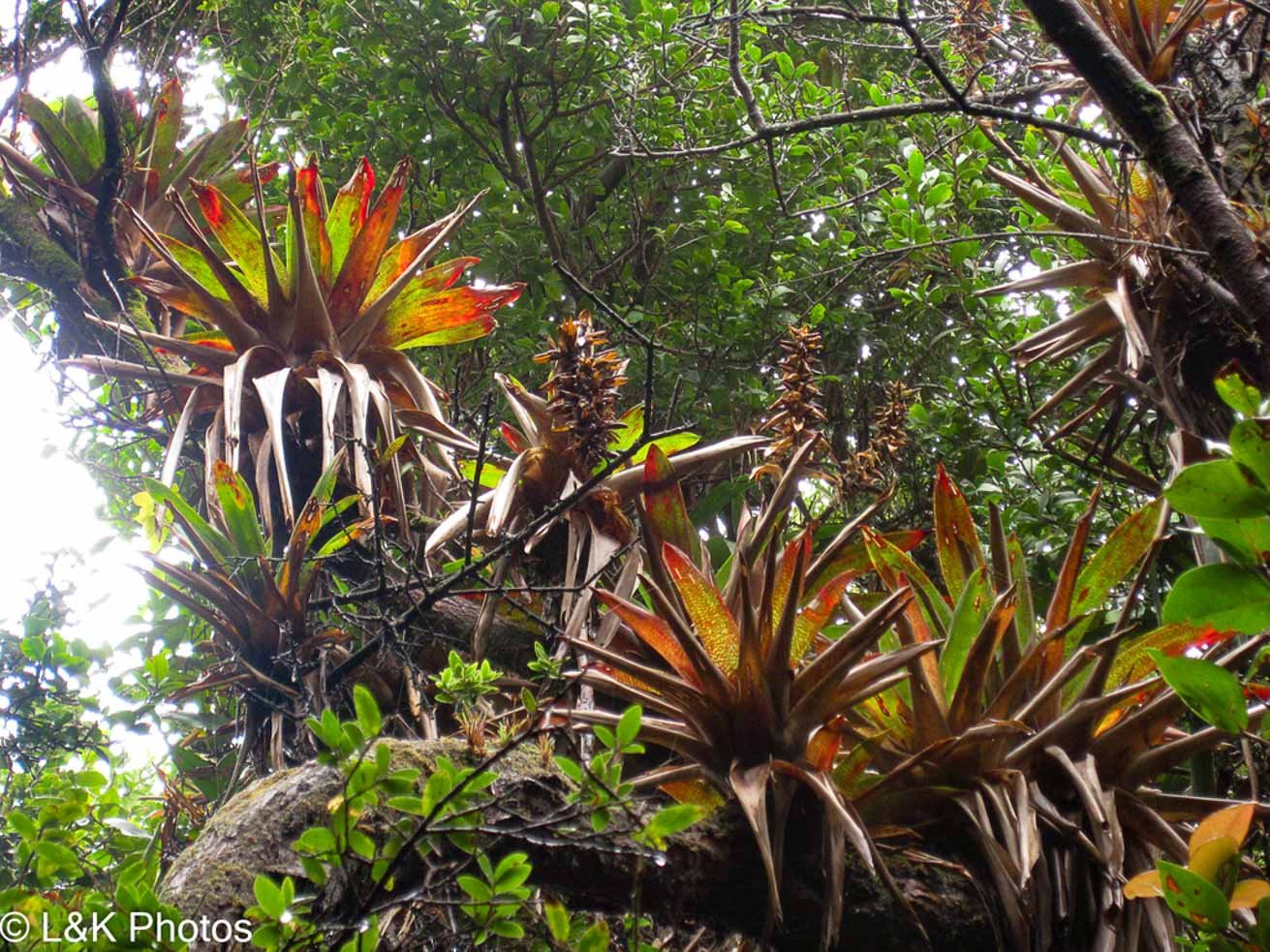
Costa Rica’s rainforests host thousands of Epiphytes, also called “air plants.” These unique species thrive high above the forest floor, creating vibrant ecosystems in the canopy. Epiphytes are plants that grow on other plants without harming them. They anchor to trunks and branches, but they never steal nutrients. As they are not connected to the soil, they must get nutrients from other sources such as fog, dew, rain and mist, or from nutrients being released from the ground rooted plants by decomposition or leaching, and dinitrogen fixation. Their leaves capture sunlight, usually in a much better, higher, brighter location as opposed to lower level plants.
So while they hitch a free ride, they give their host plant a chance to live & breathe – unlike Parasitic Plants which attach to other plants using special structures and drain water, minerals, and sugars directly from them. Epiphytes create a significantly cooler and more moist environment in the host plant canopy, potentially greatly reducing water loss by the host through transpiration. Add to that their water-holding properties – especially by mosses and lichens – and their beneficial effect can be astounding.
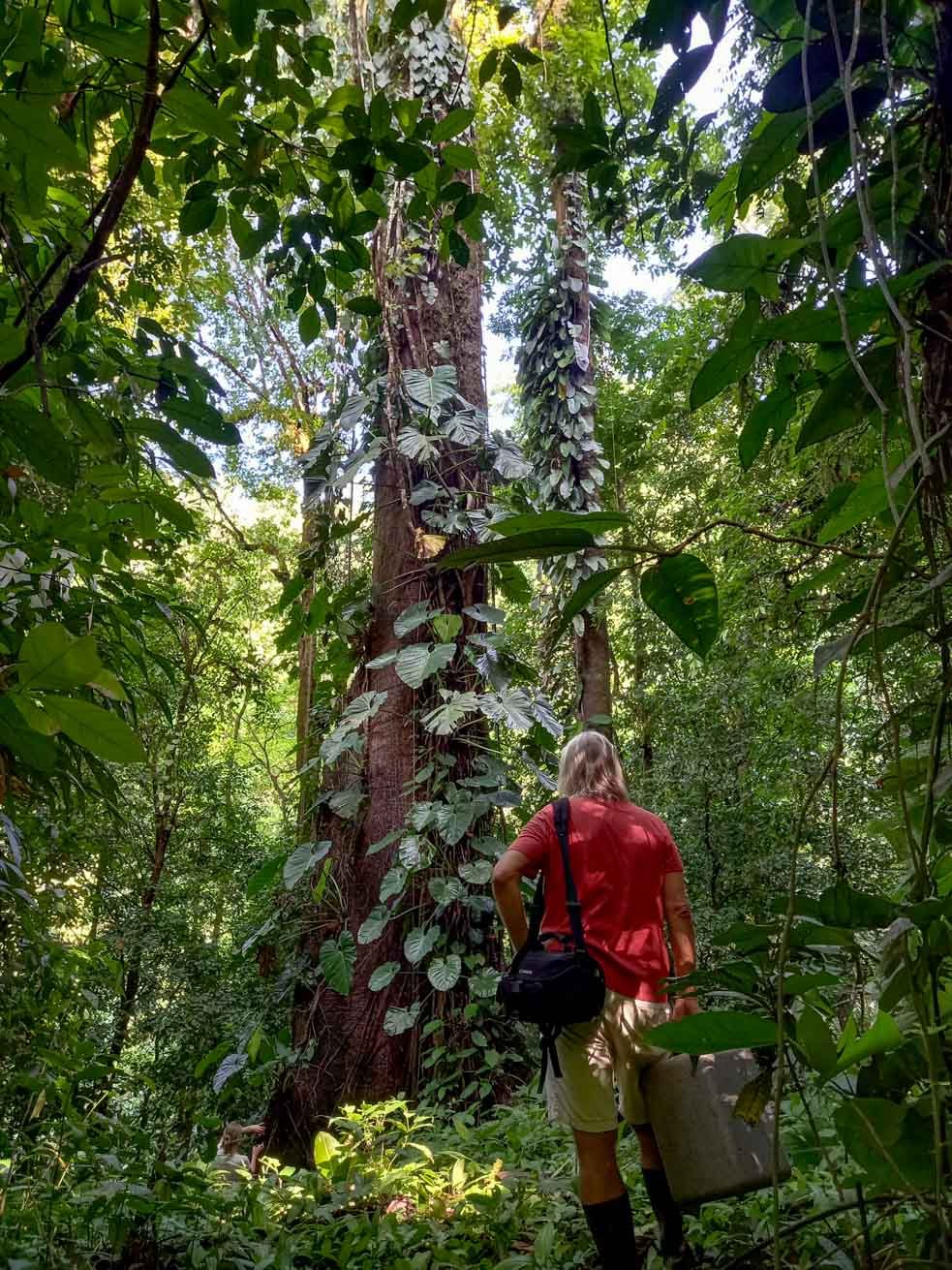
In our corner of Costa Rica, the jungle is lush and amazing – vibrant Epiphytes cover trees in stunning blankets of greens & vibrant colors.
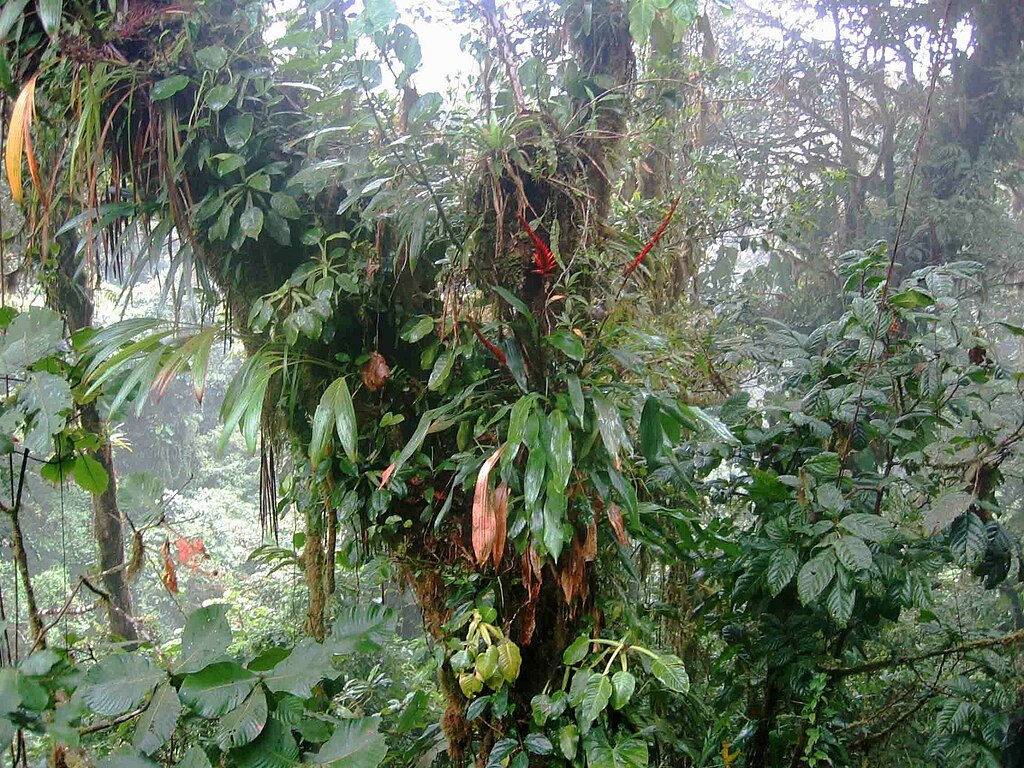
🌸 Common Epiphyte Types in Costa Rica
Costa Rica’s forests showcase incredible Epiphyte diversity:
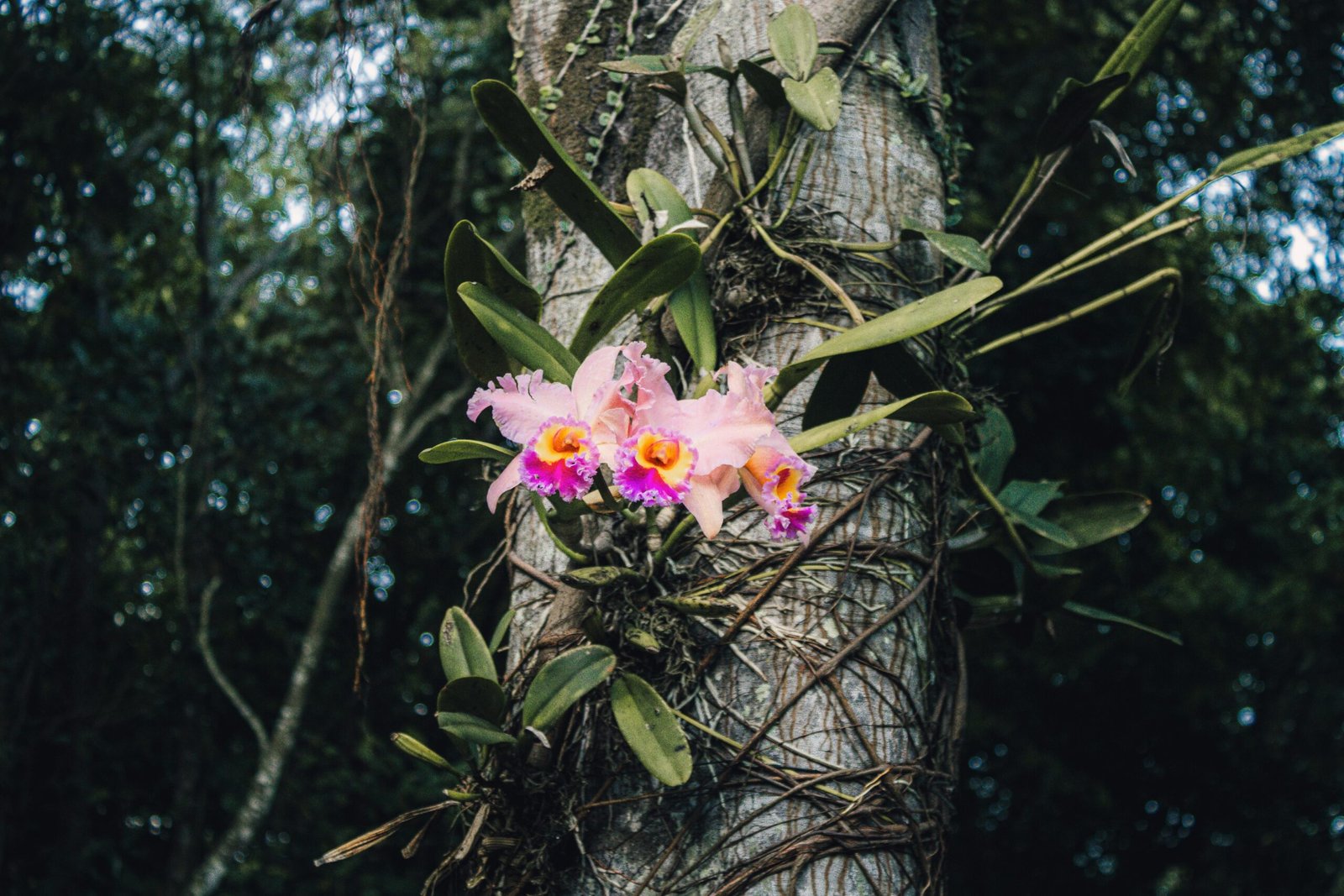
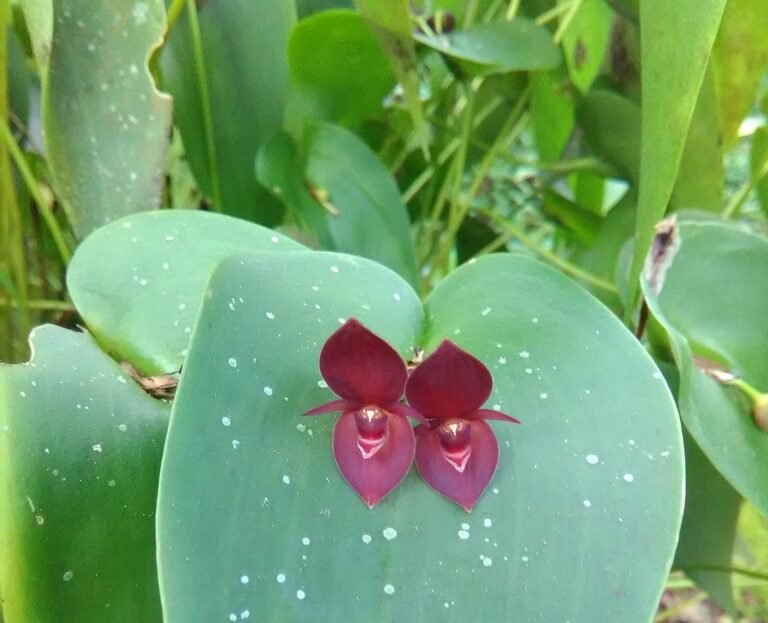
- Orchids: Flowers that attract hummingbirds and butterflies. They grow widely in Costa Rica’s forests and add canopy diversity.
- Bromeliads: Plants with rosettes that hold water. Their leaf tanks support frogs, insects, and other small animals.
- Ferns and Mosses: Green layers that cover branches. They thrive in humid areas and help retain moisture in the forest.
- Lichens: Organisms made of fungi and algae. They grow on bark and rocks and indicate clean air quality.
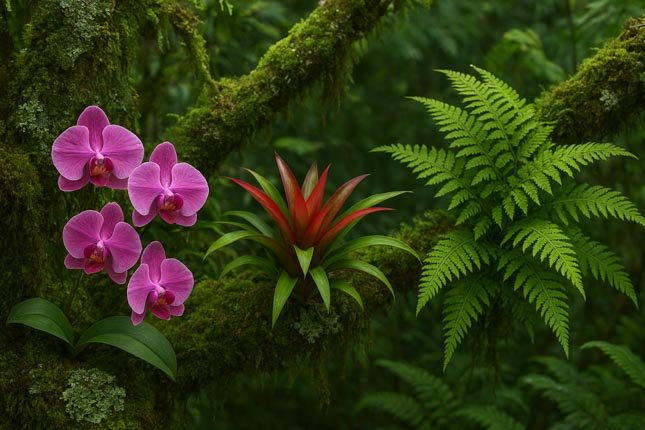
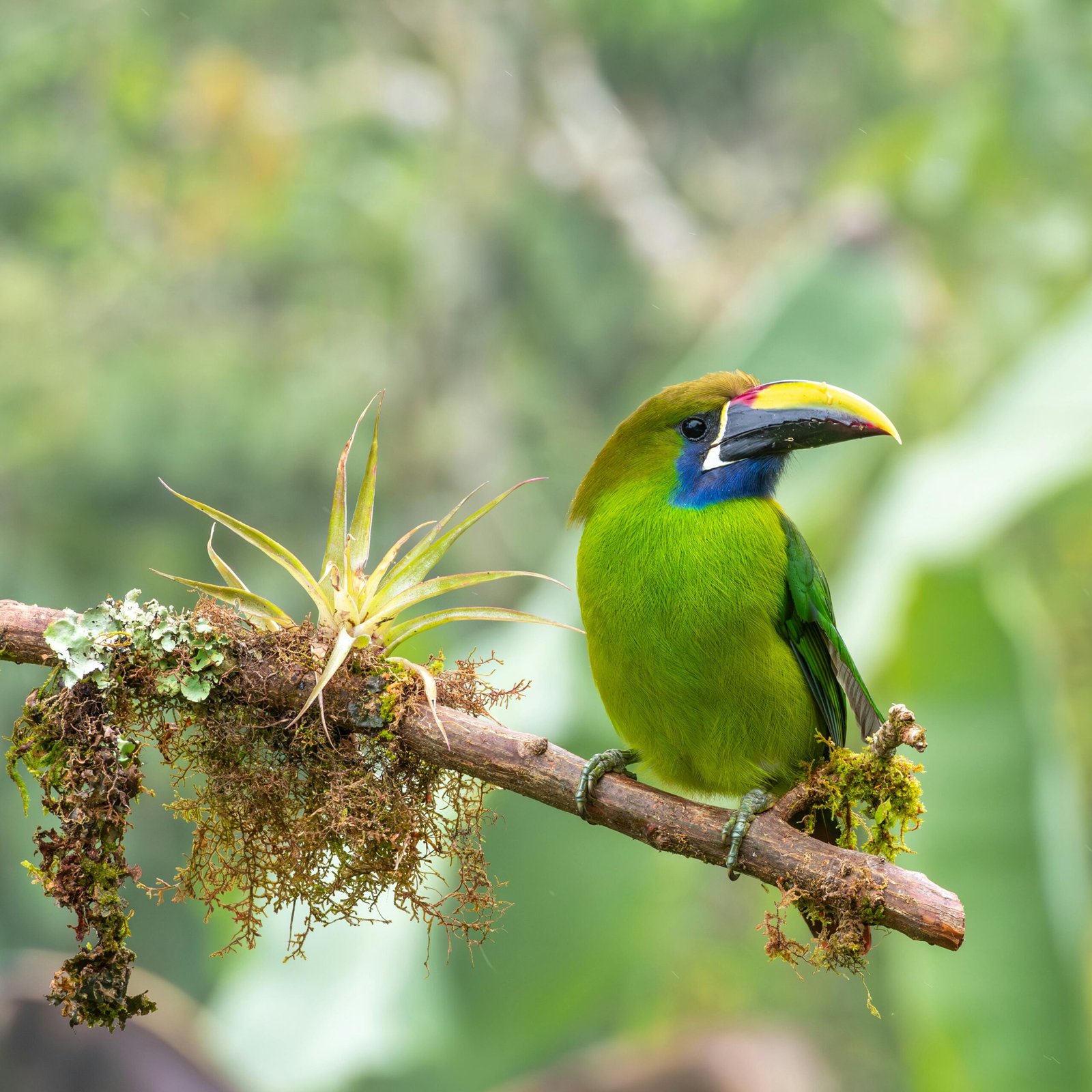
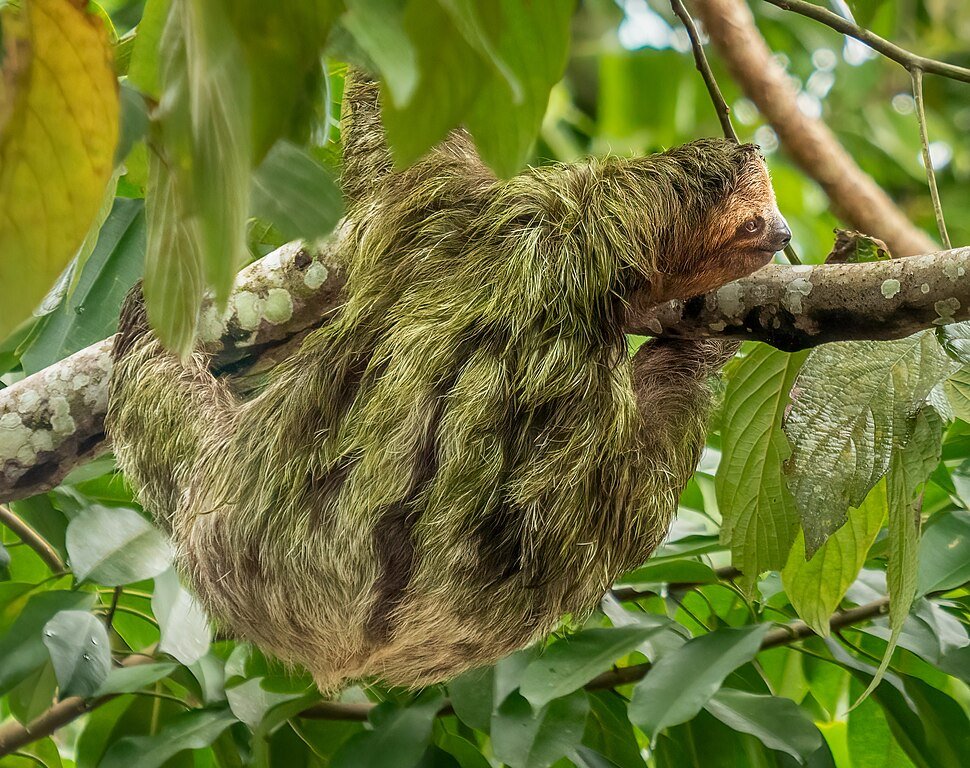
These plants transform treetops into miniature gardens, supporting countless insects, amphibians, lizards, mammals and birds. It is important to note that the Epiphyte types mentioned above can also grow on ground or on rocks, leaves and even animals like sloths!
🌳 Where to See Them
Costa Rica’s cloud forests are Epiphyte havens. Monteverde and Braulio Carrillo National Park offer breathtaking aerial ecosystems. Walk canopy bridges and you’ll spot orchids, bromeliads, and mosses suspended in mist. These forests feel like living cathedrals, with plants thriving in every layer.
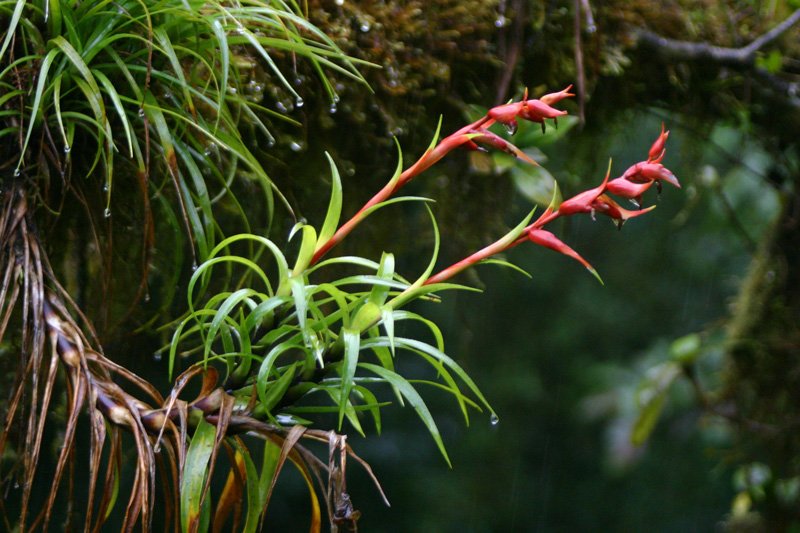
But do not despair – the Epiphytes can be found in every corner of Costa Rica, although they prefer wetter areas. They live around lowland & mountain forests, northern savannahs, and Caribbean shores. Even trees in the middle of cities can be covered in these amazing plants – all you have to do is look up!

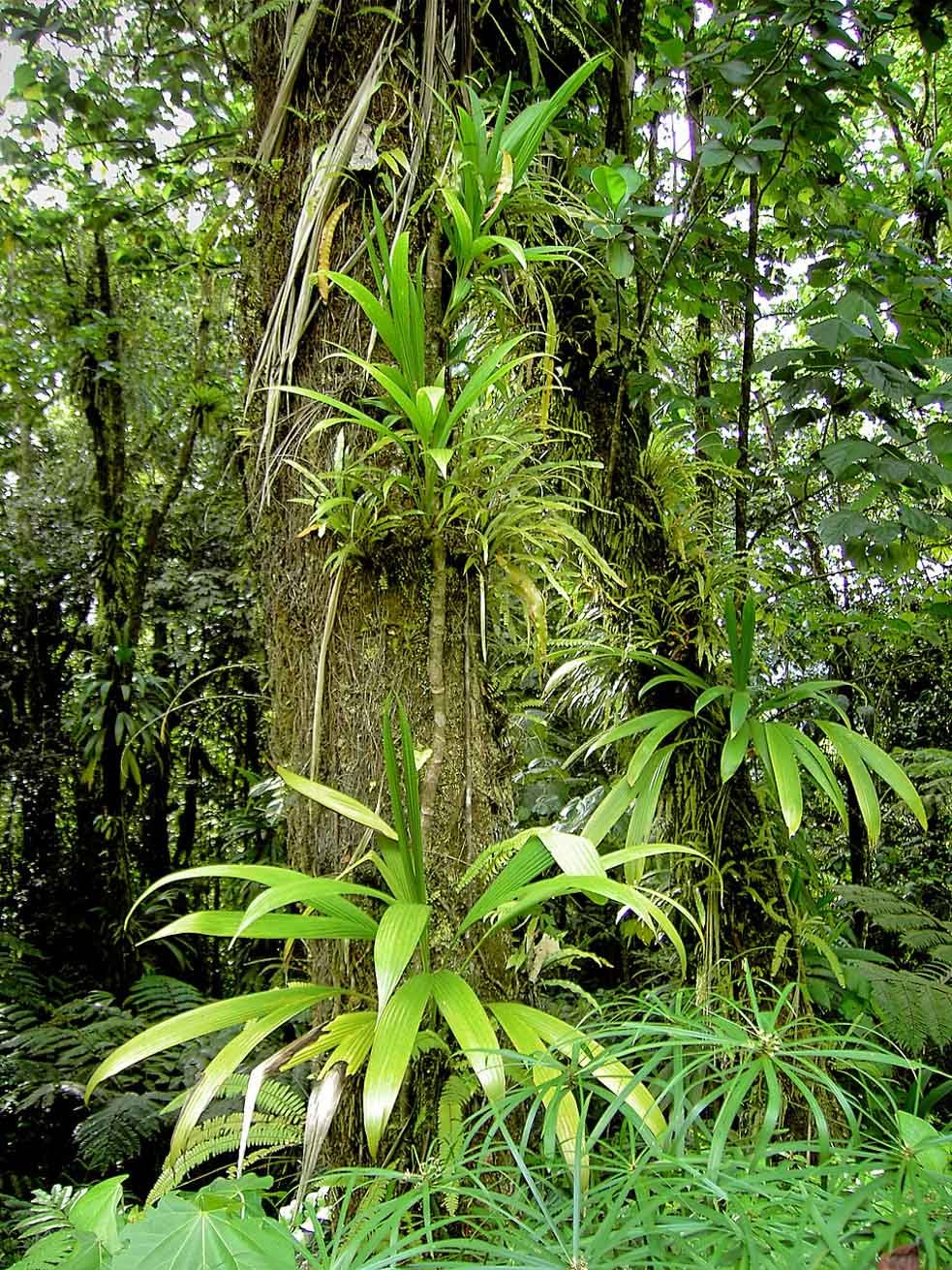
1. ORCHIDS 🌸
Orchids are flowering plants from the family Orchidaceae, one of the largest plant families on Earth. Their flowers are unique, with bilateral symmetry and a special petal called the labellum that helps attract pollinators. Orchids use vivid colors, patterns, and fragrances to lure insects, and some even mimic female insects to ensure pollination. Beyond their beauty, orchids have economic value—vanilla flavoring comes from the fruit of the Vanilla orchid.
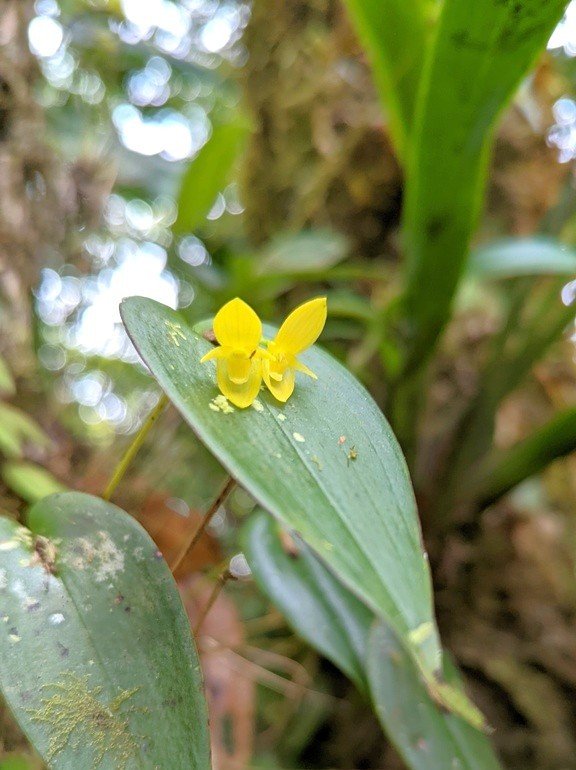
2. BROMERIADS 🌱
Bromeliads are tropical plants from the family Bromeliaceae, known for their striking foliage and vibrant flowers. Many grow attached to trees, using their rosette-shaped leaves to form a natural “tank” that collects water. Their foliage often features bold stripes, spots, or colors, while blooms can last for months in shades of red, pink, or yellow.

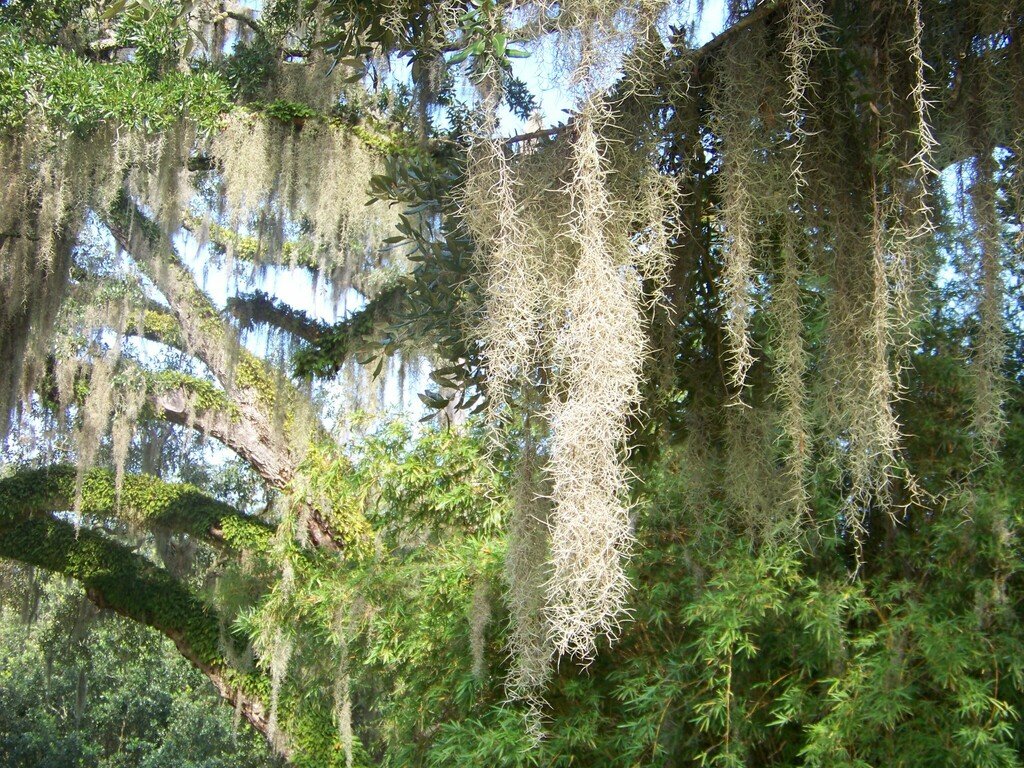
3. FERNS 🌱
Ferns are ancient, non-flowering vascular plants that reproduce by spores instead of seeds. They belong to the class Polypodiopsida. Unlike flowering plants, they lack flowers and fruits, relying on spores produced in structures called sporangia for reproduction. Their history stretches back over 350 million years, making them older than most land animals and far older than dinosaurs. While not of major economic importance, ferns are valued as ornamental plants, biofertilizers, and even food sources in some cultures.

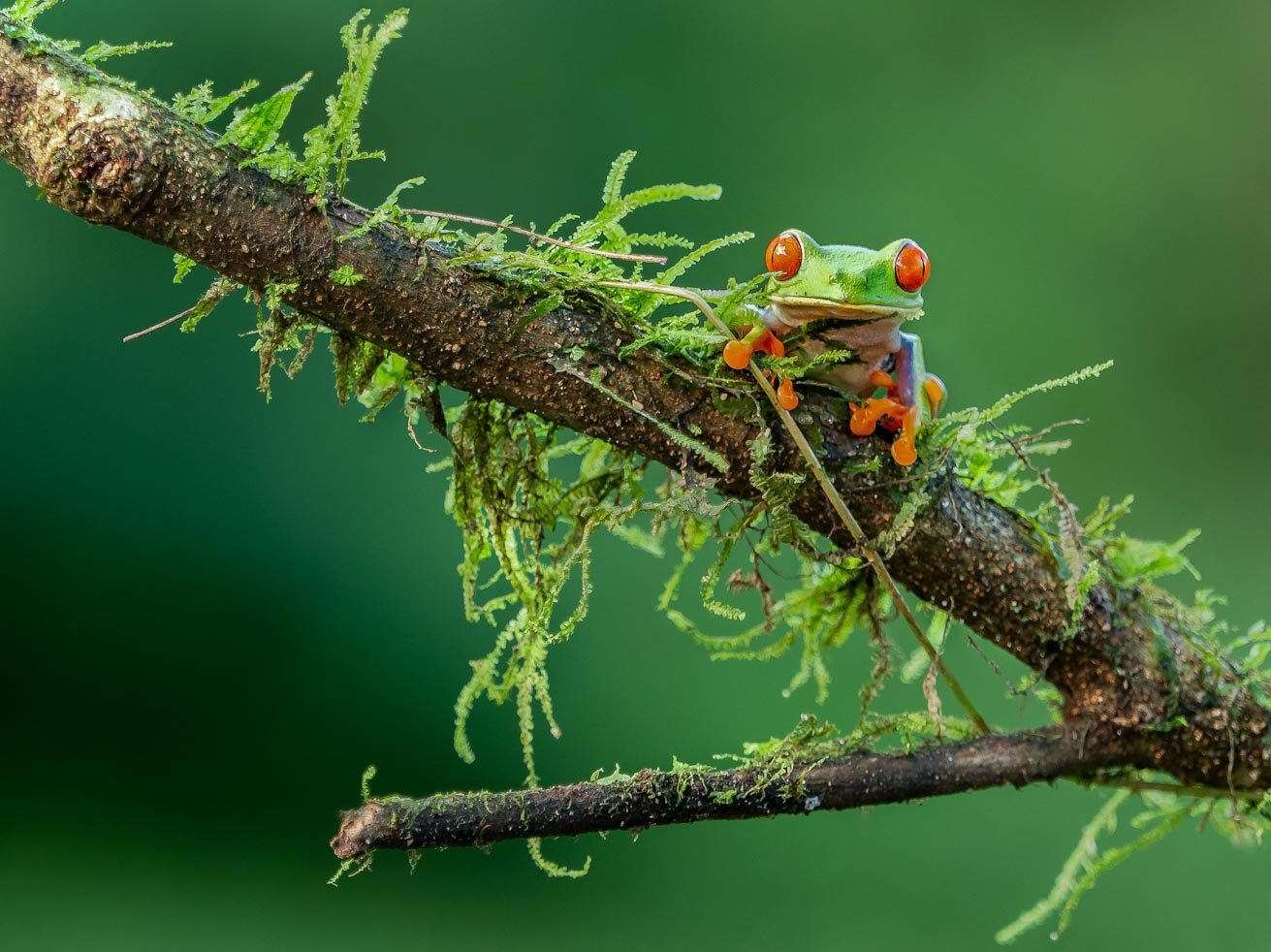
4. MOSSES 🌱
Small, non-vascular plants in the division Bryophyta. Mosses lack flowers, seeds, and true vascular tissue; instead, they reproduce by spores contained in capsules atop slender stalks. Their life cycle is dominated by the gametophyte stage, with simple stems and leaves only one cell thick. Mosses play vital ecological roles: they retain moisture, prevent soil erosion, filter air pollution, and store carbon.
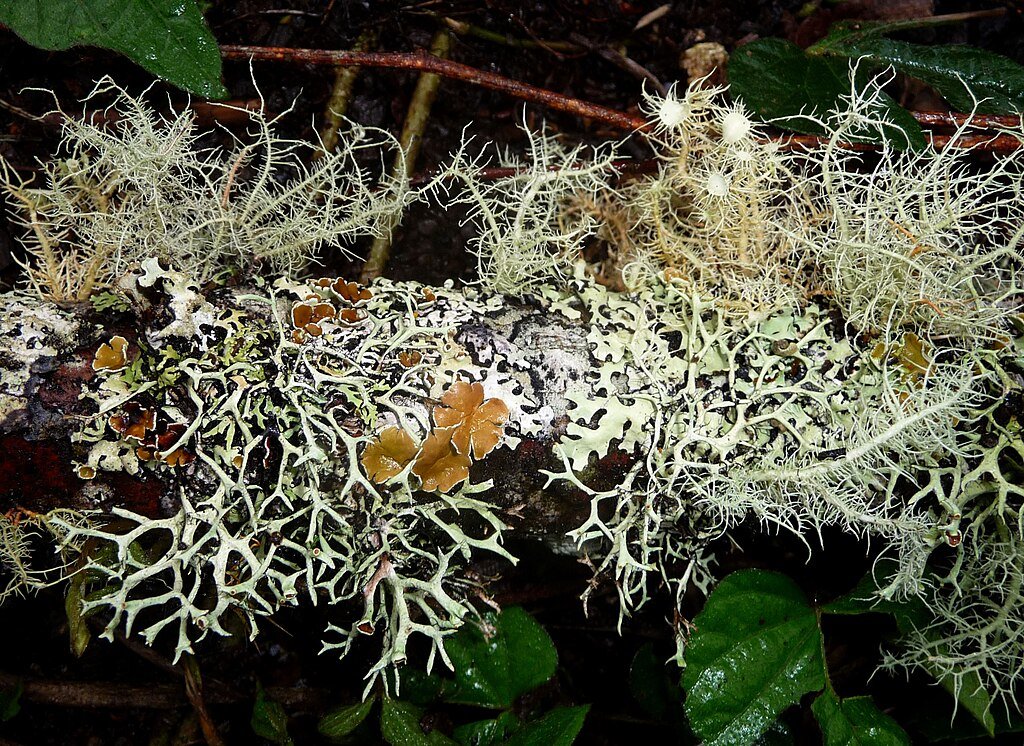
5. LICHENS 🌱
Lichens are fascinating organisms formed by a symbiotic partnership between fungi and photosynthetic partners, usually algae or cyanobacteria. Unlike plants, lichens lack roots, stems, and leaves; instead, they absorb water and nutrients directly from the air and rain. Their structure is made up of fungal filaments that house the algal or cyanobacterial cells, allowing them to produce food through photosynthesis. Lichens play vital ecological roles: they break down rocks into soil, provide food and shelter for wildlife, and serve as indicators of air quality.
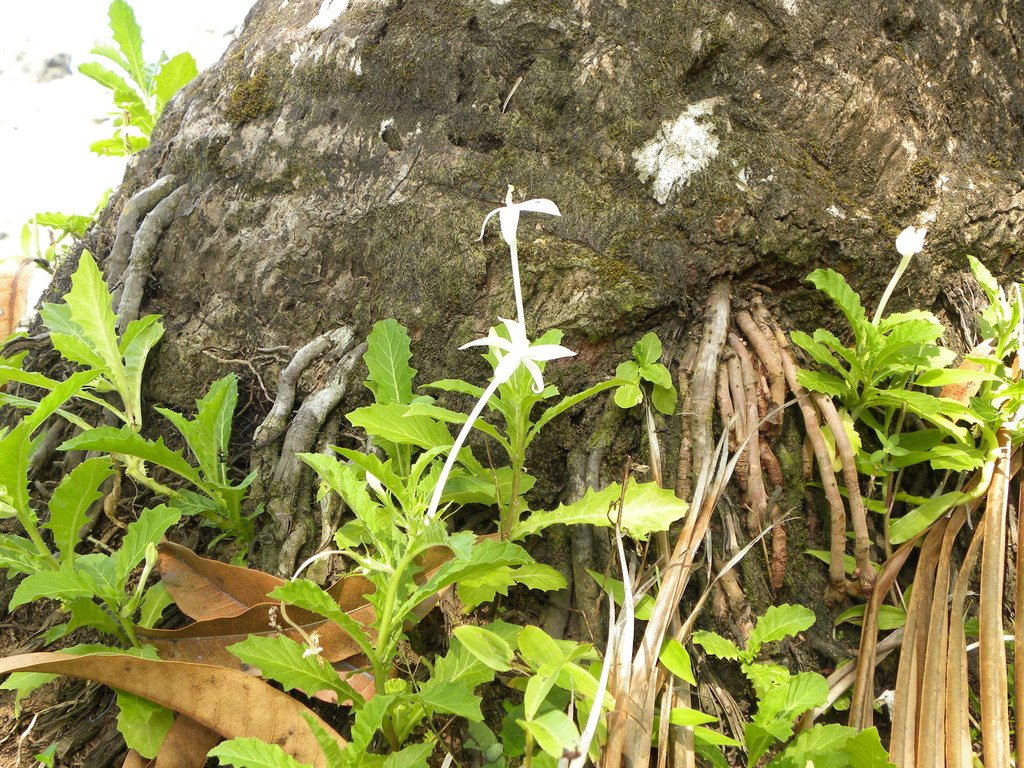
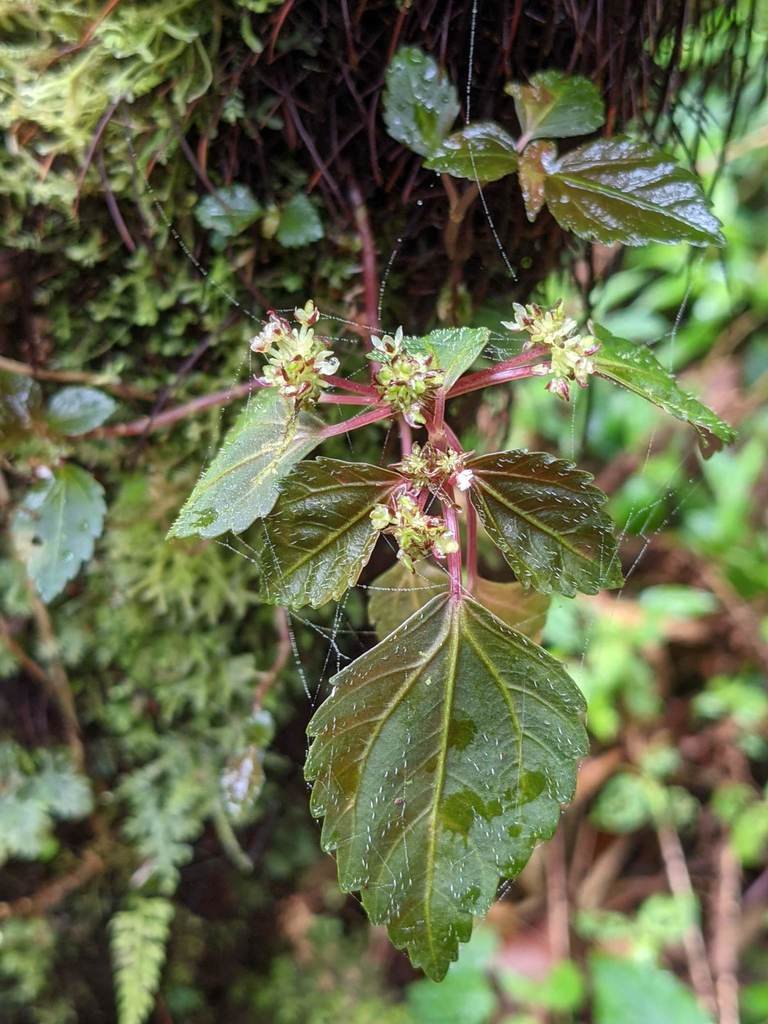
6. ACCIDENTAL EPIPHYTES😁
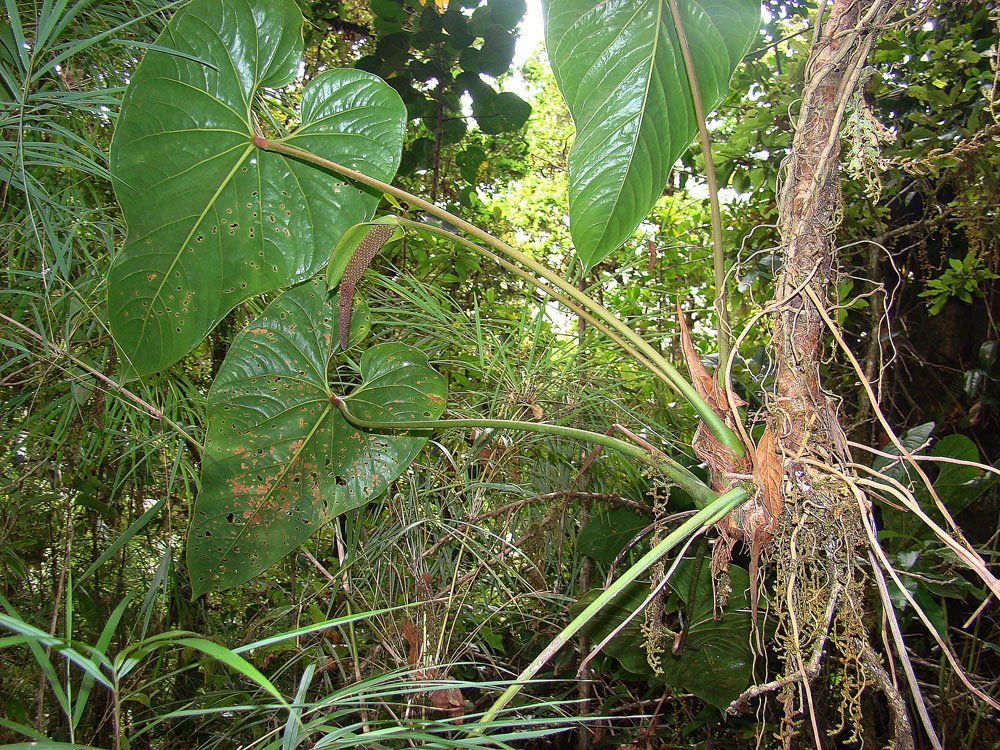
Sometimes, happily, terrestrial plants take up root as an Epiphyte. A stray seed carried by the wind or dropped by an animal can take root on a tree – whether in an earthy hollow or in a bed of Epiphytes such as mosses or lichens.
🦜 Ecological Importance
Epiphytes play vital roles in rainforest health:
- They regulate moisture by trapping rainwater.
- They provide shelter for frogs, insects, and birds.
- They provide incubation & development habitat for tadpoles & insect larvae.
- They support pollinators like hummingbirds and butterflies.
- They add biodiversity, enriching the canopy ecosystem at all levels of altitude.
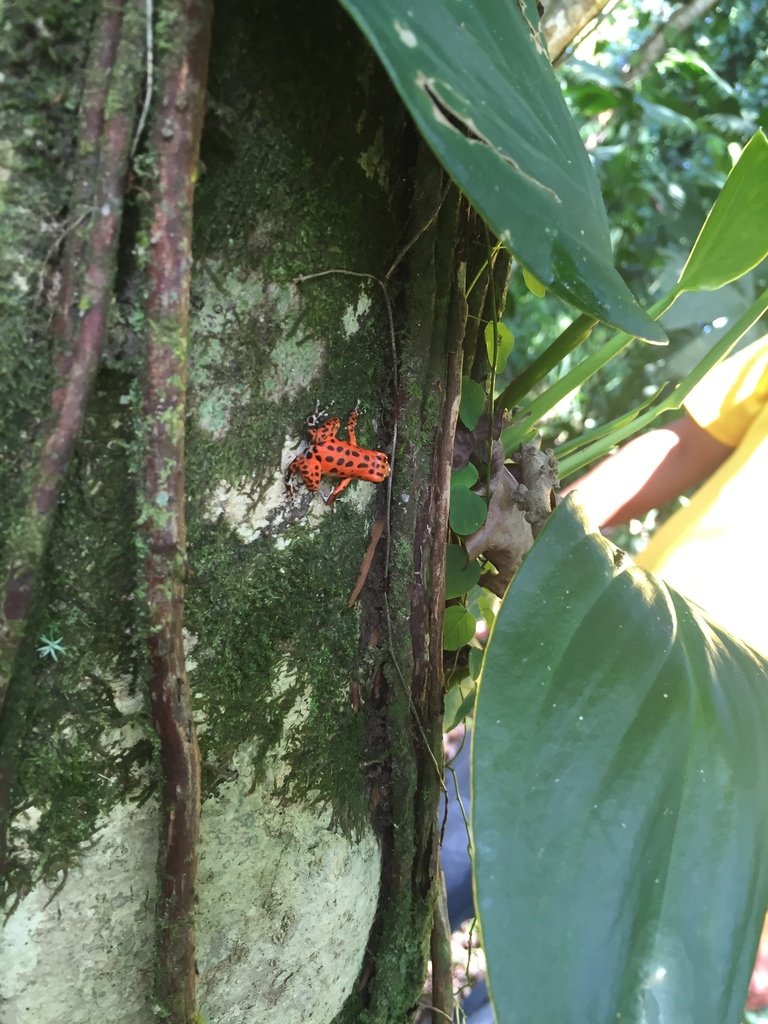
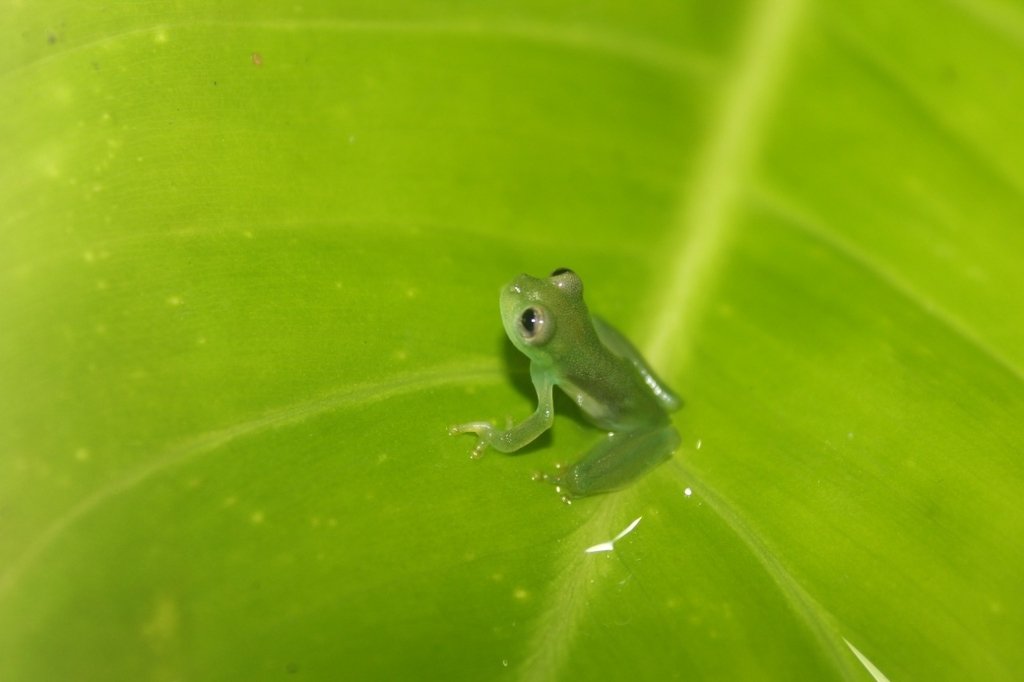
The air plants collect rainwater and organic debris, creating miniature reservoirs high in the canopy. Amphibians like the Strawberry Poison Dart Frog (Oophaga pumilio) place tadpoles in bromeliad pools, while Glass Frogs (Centrolenidae) and Red-Eyed Tree Frogs (Agalychnis callidryas) lay eggs on leaves near or on Epiphytes, benefiting from their moisture.
Insects such as mosquitoes, dragonflies, and ants also use these water-filled plants for breeding and shelter. By storing water, cycling nutrients, and offering safe nurseries, Epiphytes help maintain Costa Rica’s extraordinary biodiversity and regulate rainforest humidity. Without Epiphytes, Costa Rica’s forests would lose much of their complexity and resilience. Entire species, especially those which use these plants as egg incubators, would vanish forever.
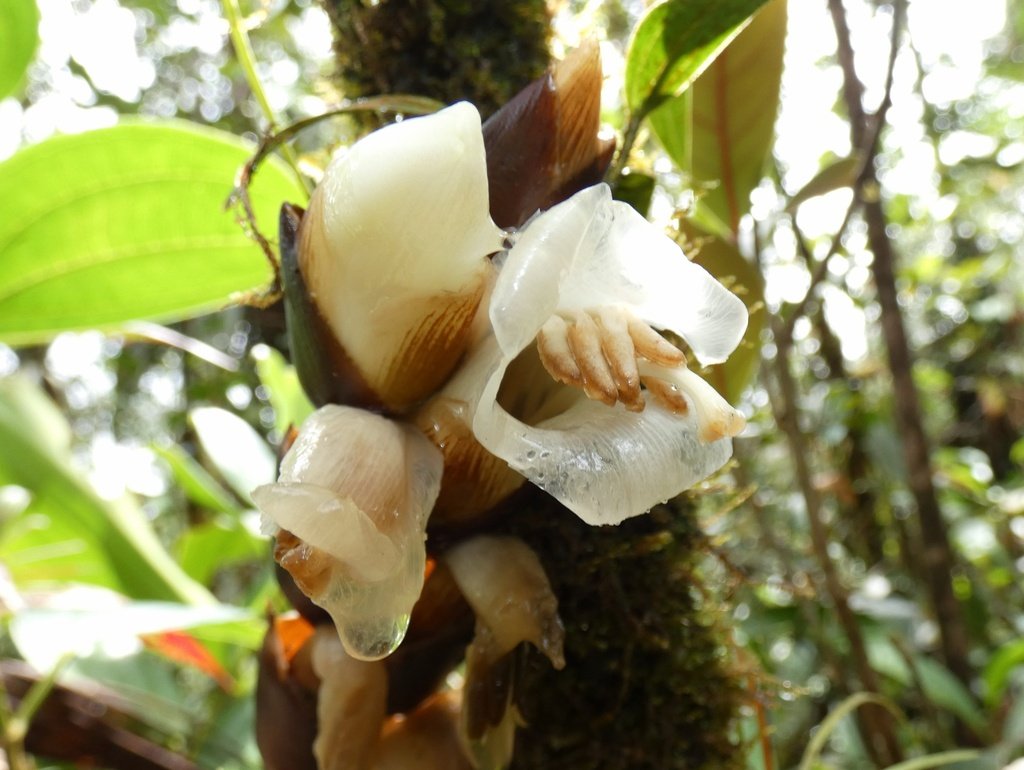
✨ Why They Fascinate Travelers
Epiphytes embody Costa Rica’s magic. They live suspended in air, turning treetops into gardens. Spotting orchids or bromeliads during a hike feels like discovering hidden jewels – but some species can just as easily be seen from the sides of major highways or inside inner city parks. For eco-tourists, Epiphytes highlight the rainforest’s delicate balance and beauty. They are architects of the canopy, guardians of biodiversity, and symbols of resilience. Protecting them means preserving the rainforest’s soul.

Our Epiphytes add a touch of tropical vibe & brilliance to the surrounding jungles and gardens. Imagine waking up to this beauty – for now, why not browse the properties available in the lush Costa Ballena area? And when ready, your trusted partners at RE/MAX WE SELL PARADISE will gladly take your call – making a new home here is MUCH quicker and easier than you could ever imagine!