
The Beauty & Science of Our Pacific Sunsets
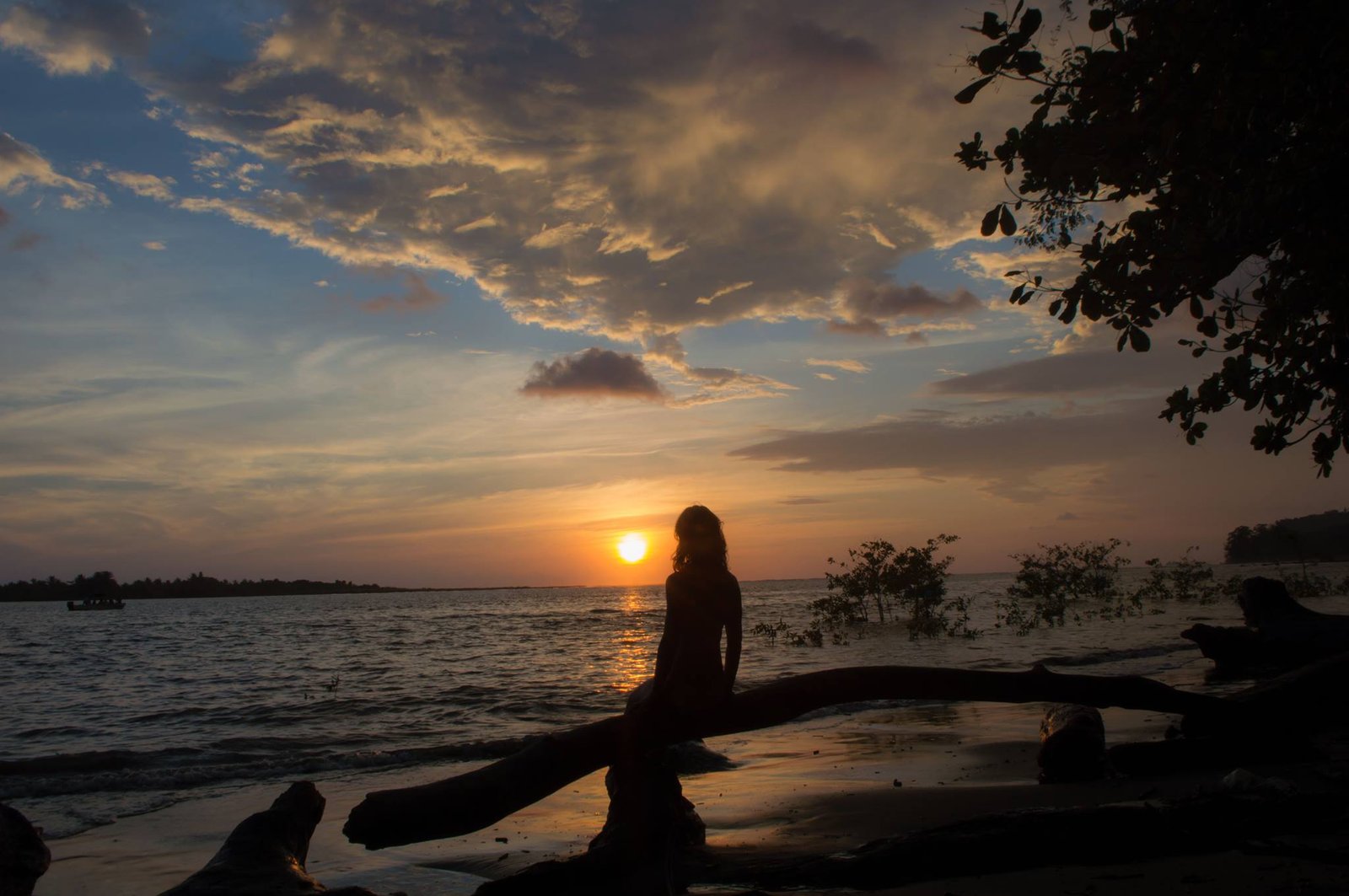
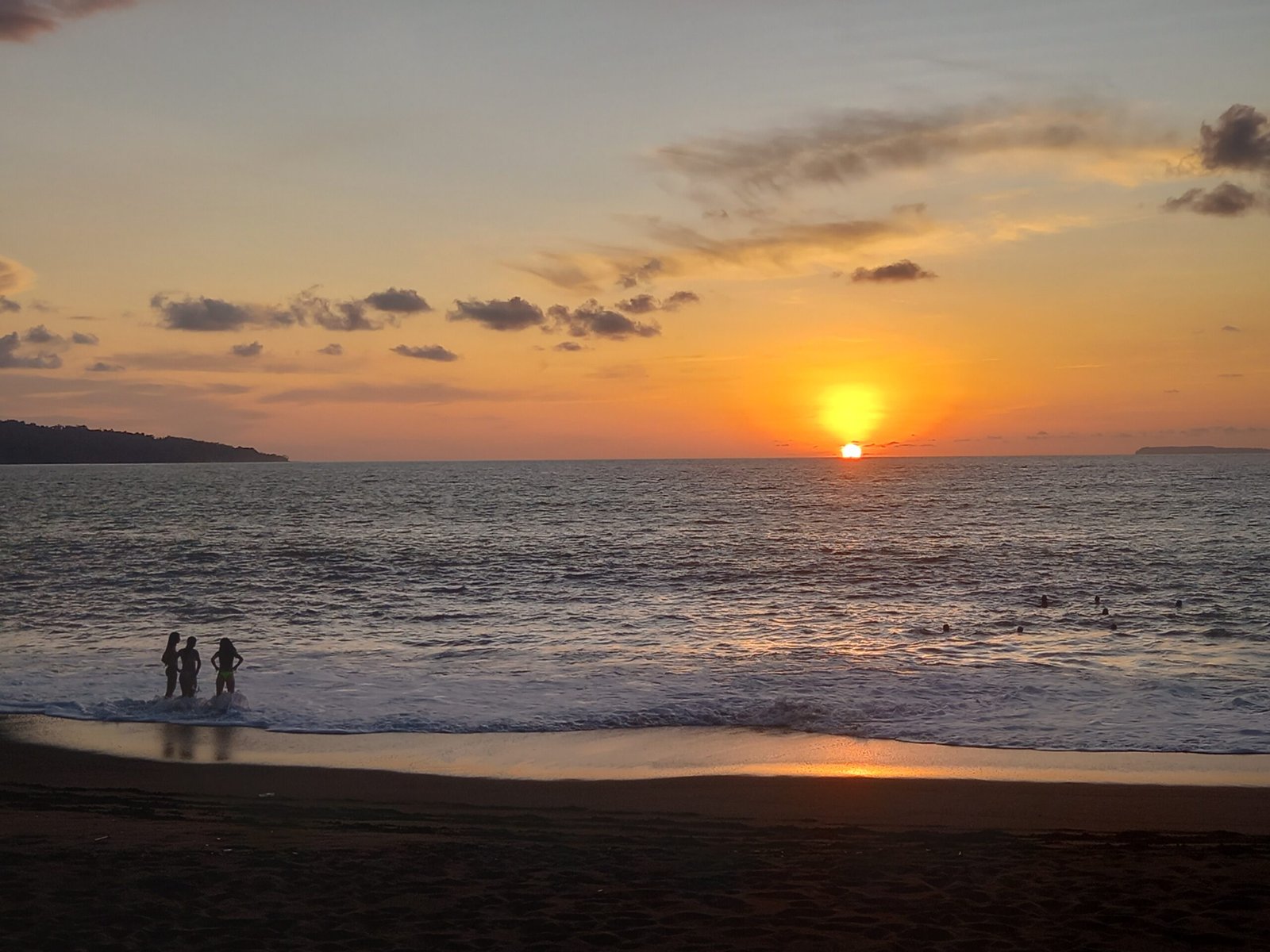
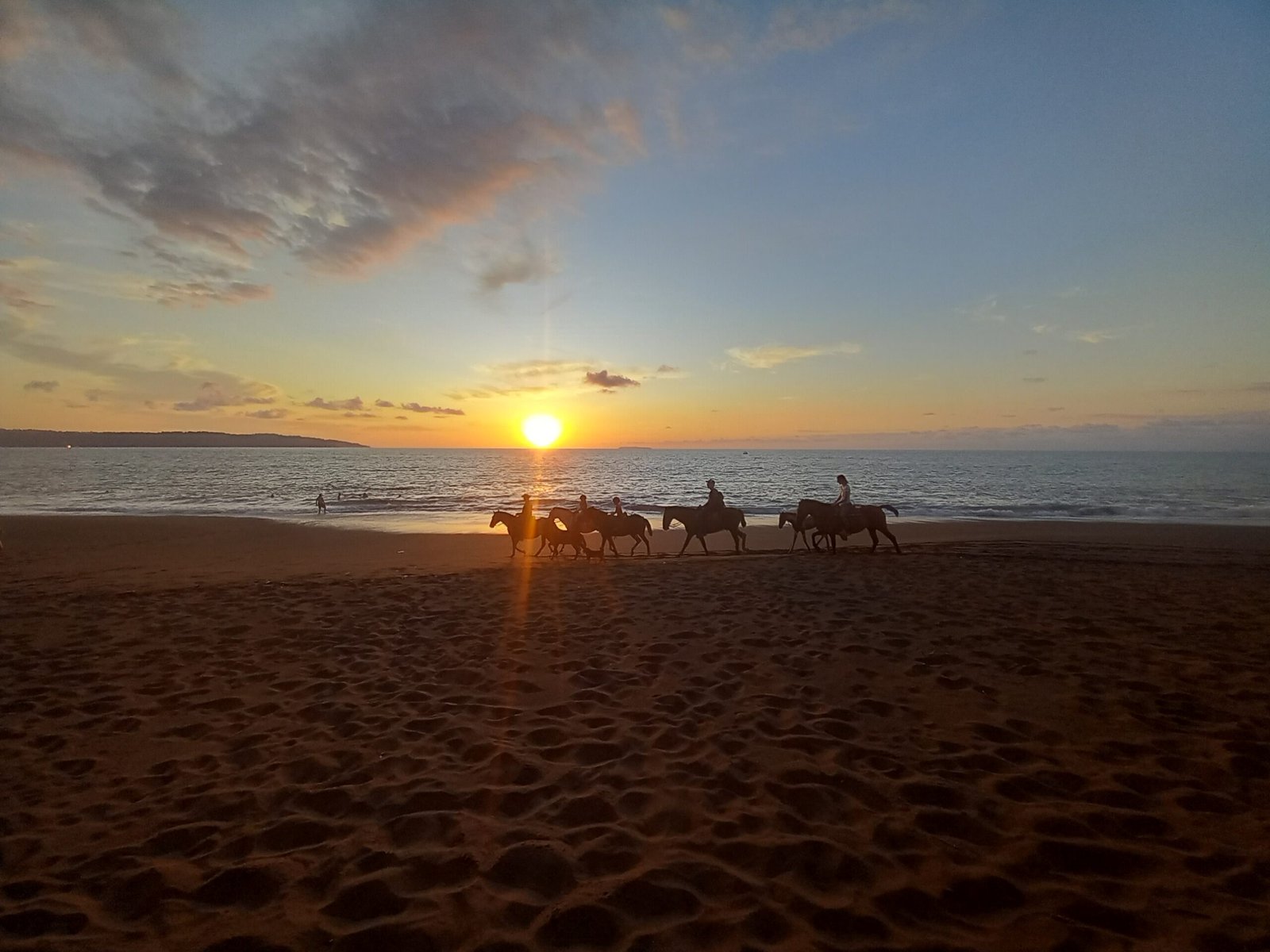
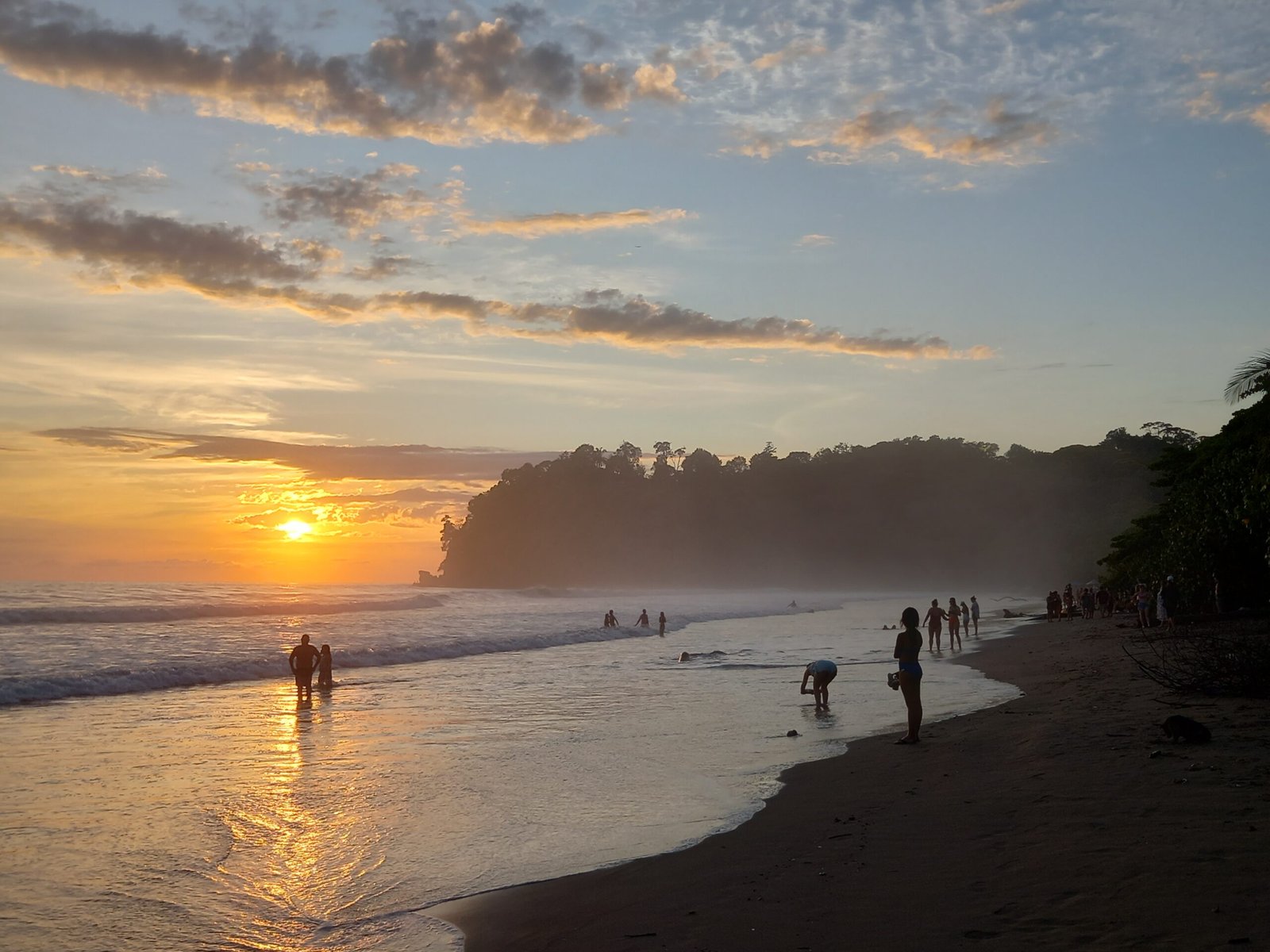
A sunset’s vivid colors are caused by the scattering of sunlight in Earth’s atmosphere—shorter wavelengths like blue scatter away, leaving reds and oranges to dominate the sky. And a few factors conspire to make sunsets redder and more colorful than sunrises, on average. Let’s dig into the science of sunsets and enigmatic phenomena like the Green Ray or Belt of Venus – and see some amazing sunset pictures, many of them taken on our own area beaches. Vamos!
🌅 The Science Behind a Sunset
Sunsets are not just beautiful—they’re a brilliant demonstration of atmospheric physics, especially the behavior of light as it travels through air. Sunlight, atmospheric gasses, atmospheric particles, humidity, clouds, reflections and refractions all conspire to paint beautiful sunsets 365 times a year – and no two are the same.
- 1. Sunlight and the Visible Spectrum☀️
Sunlight is composed of all visible wavelengths—from violet (shortest) to red (longest). When the Sun is high in the sky, light travels a shorter path through the atmosphere, and blue light scatters in all directions, making the sky appear blue.
- 2. Longer Path at Sunset🌍
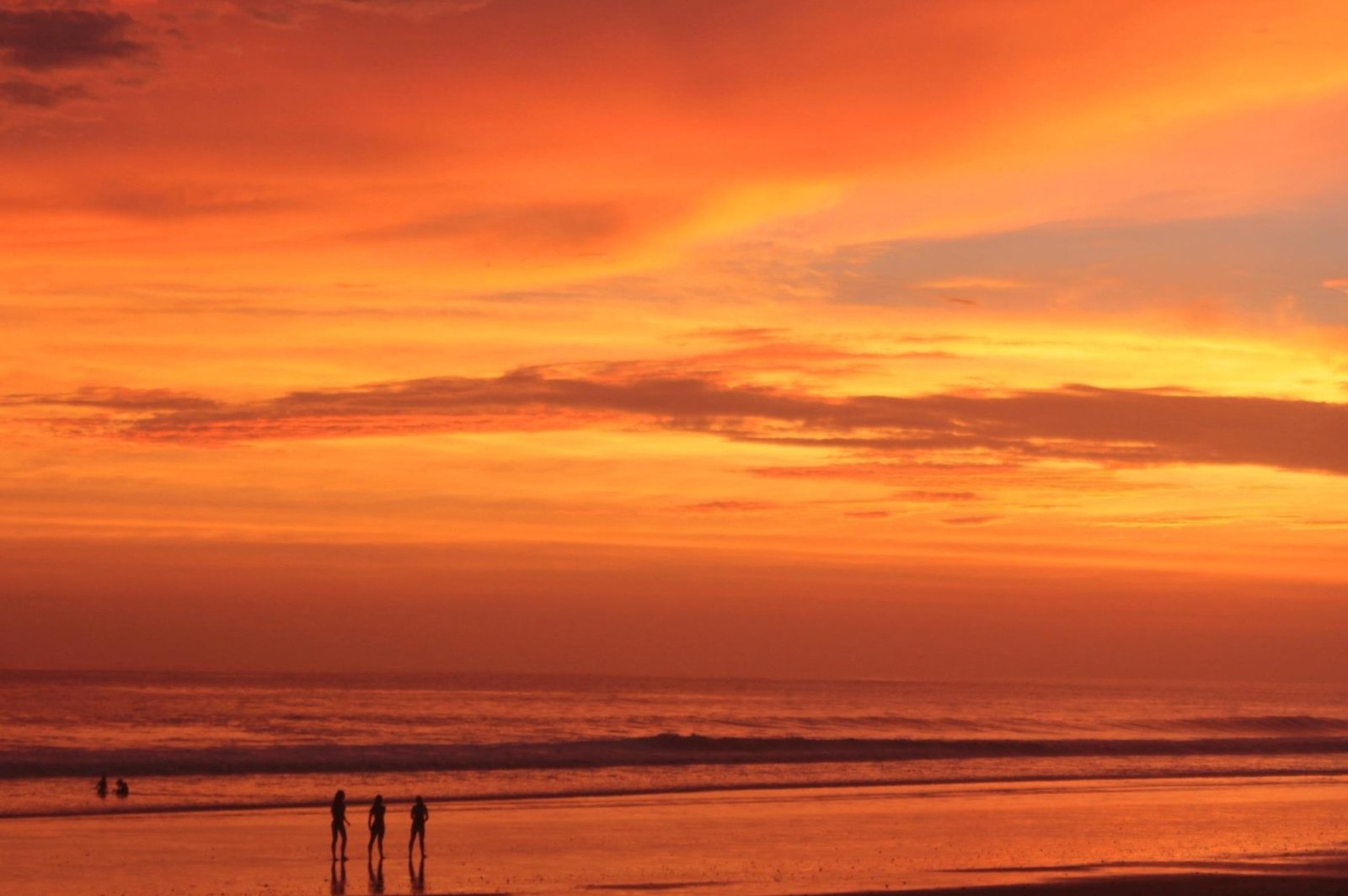
As the Sun nears the horizon, its light must pass through up to 40 times more atmosphere than at noon. This longer path means more scattering of short wavelengths (blue, violet, green) + only longer wavelengths (red, orange, yellow) survive the journey to your eyes. This process is called Rayleigh scattering, and it’s why sunsets glow warm and fiery.
- 3. Mie Scattering and Particulates🌫️
When the atmosphere contains larger particles—like dust, smoke, or pollution—Mie scattering occurs. Unlike Rayleigh scattering, Mie scattering affects all wavelengths more evenly, often enhancing reds and oranges and creating more dramatic sunsets.
- 4. Atmospheric Refraction🔄
As sunlight bends through layers of air with different temperatures and densities, it refracts, slightly delaying the apparent setting of the Sun. This is why the Sun seems to linger on the horizon longer than expected.
- 5. Weather and Humidity Effects🌦️
- High humidity can amplify sunset colors by increasing scattering
- Clean, dry air produces sharper, more pastel hues
- Clouds can reflect and scatter light, creating layered or glowing effects
🌅 Why Ocean Sunsets Are More Vivid
Ocean sunsets often dazzle with richer colors and deeper contrasts thanks to a blend of atmospheric and oceanic factors that amplify light scattering. The vast, unobstructed horizon allows sunlight to travel through more atmosphere, intensifying red, orange, and pink hues as shorter wavelengths scatter away. Moisture from the ocean surface and salt particles suspended in the air further enhance this effect, creating a natural prism that deepens warm tones and softens transitions. Additionally, the reflective surface of the water doubles the visual impact, mirroring the sky’s brilliance and adding shimmering gradients that make coastal sunsets feel cinematic.
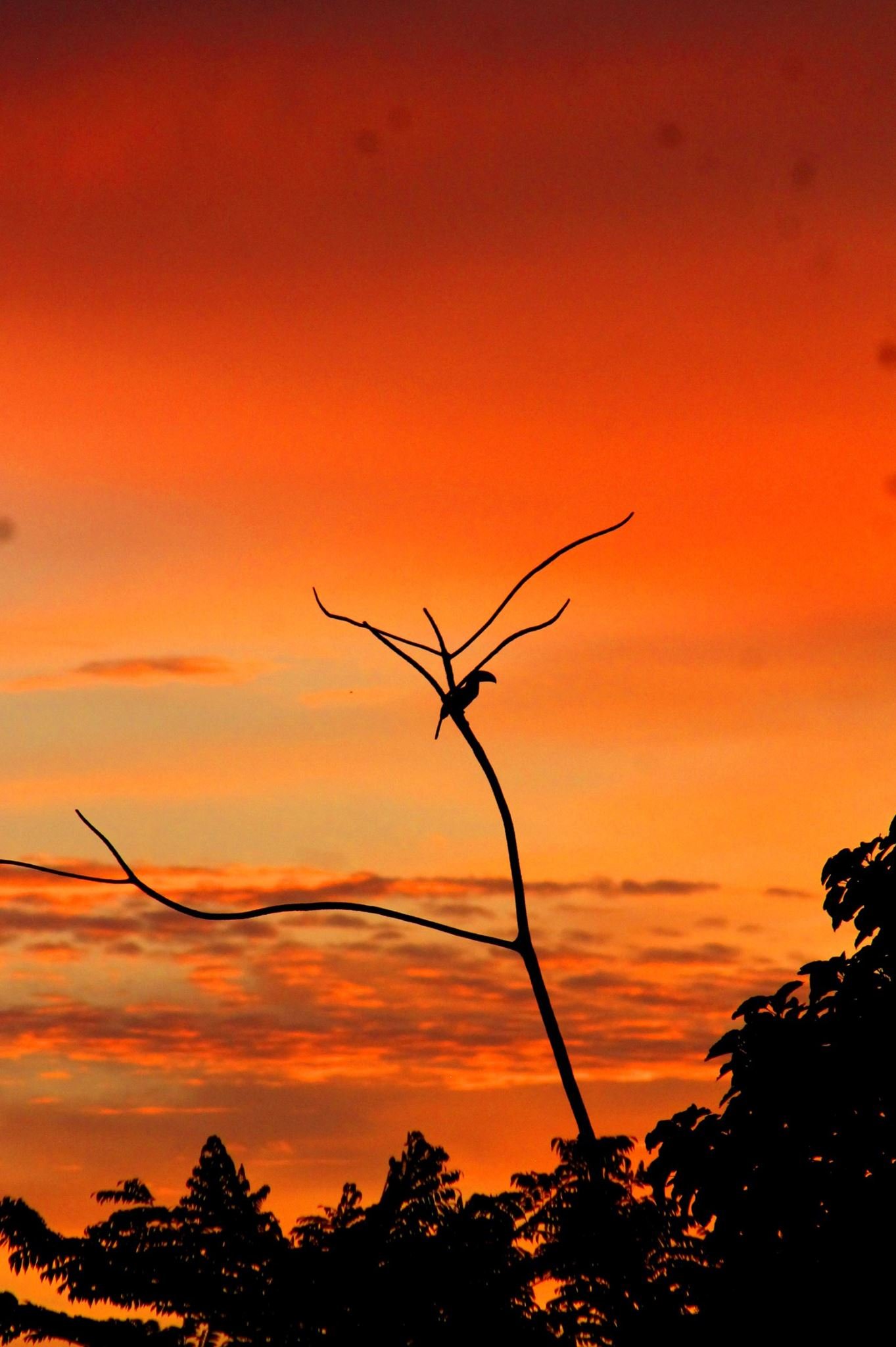
🌇 Spectacular Sunset Phenomena
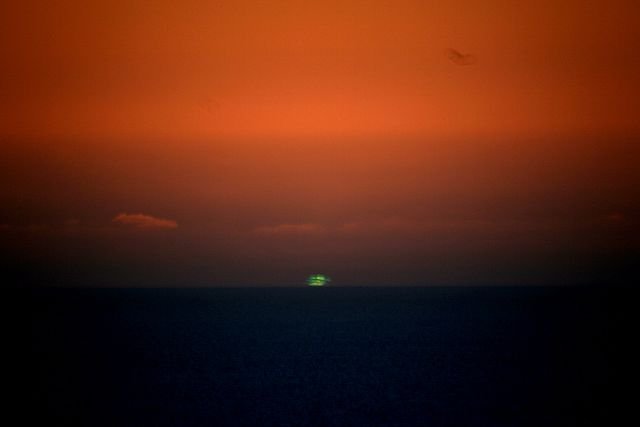
- 🌈 Green Ray: A fleeting emerald flash seen just as the sun dips below the horizon, caused by atmospheric refraction separating sunlight into colors.
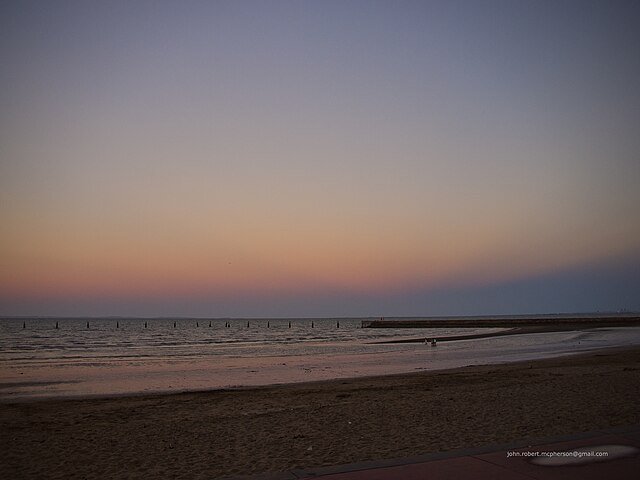
- 🌌 Belt of Venus: A pinkish glow that appears opposite the setting sun, just above the dark blue band of Earth’s shadow.
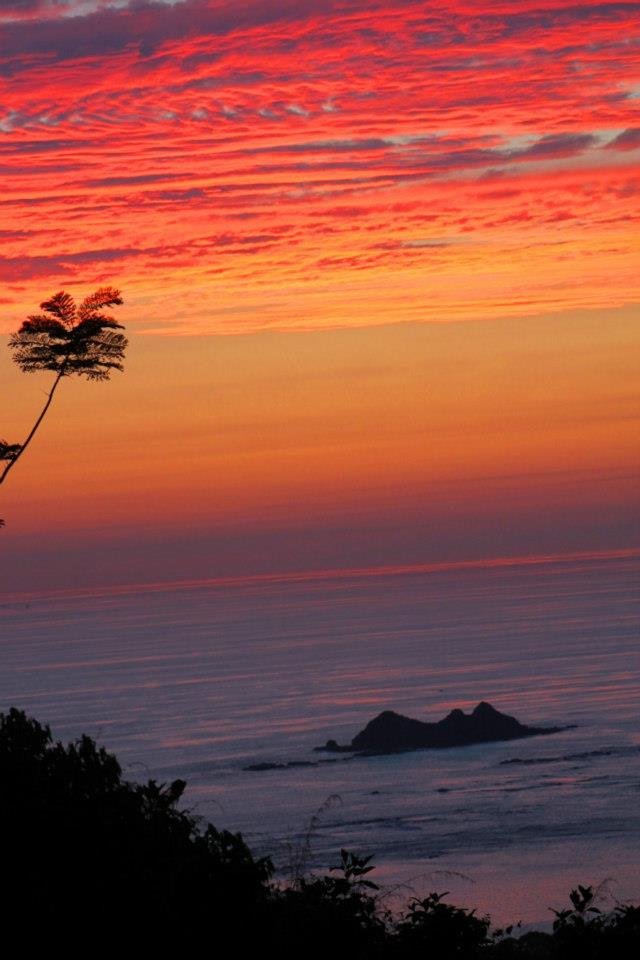
- 🌫️ Afterglow: A vivid red or orange light that lingers in the sky after the sun has set, caused by high-altitude particles scattering sunlight.
- 🌤️ Crepuscular Rays: Also known as “God rays,” these are sunbeams that stream through gaps in clouds, appearing to radiate from the sun due to perspective.
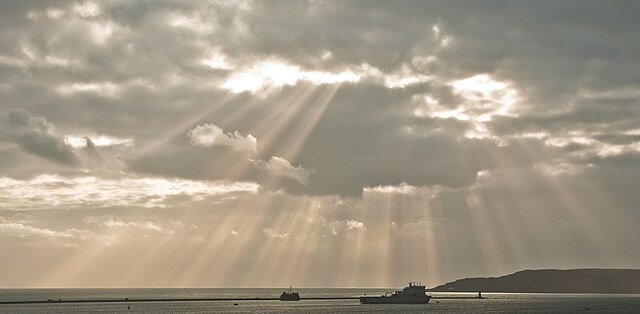
- 🌠 Zodiacal Light: A faint, triangular glow visible in very dark skies after sunset, caused by sunlight reflecting off interplanetary dust.
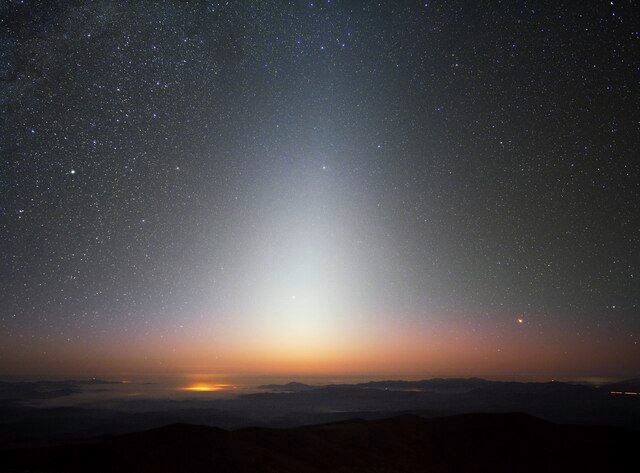
- 🌪️ Mirage Sunsets: Atmospheric temperature layers can bend light to create distorted or multiple images of the sun, sometimes making it appear to hover or stretch.
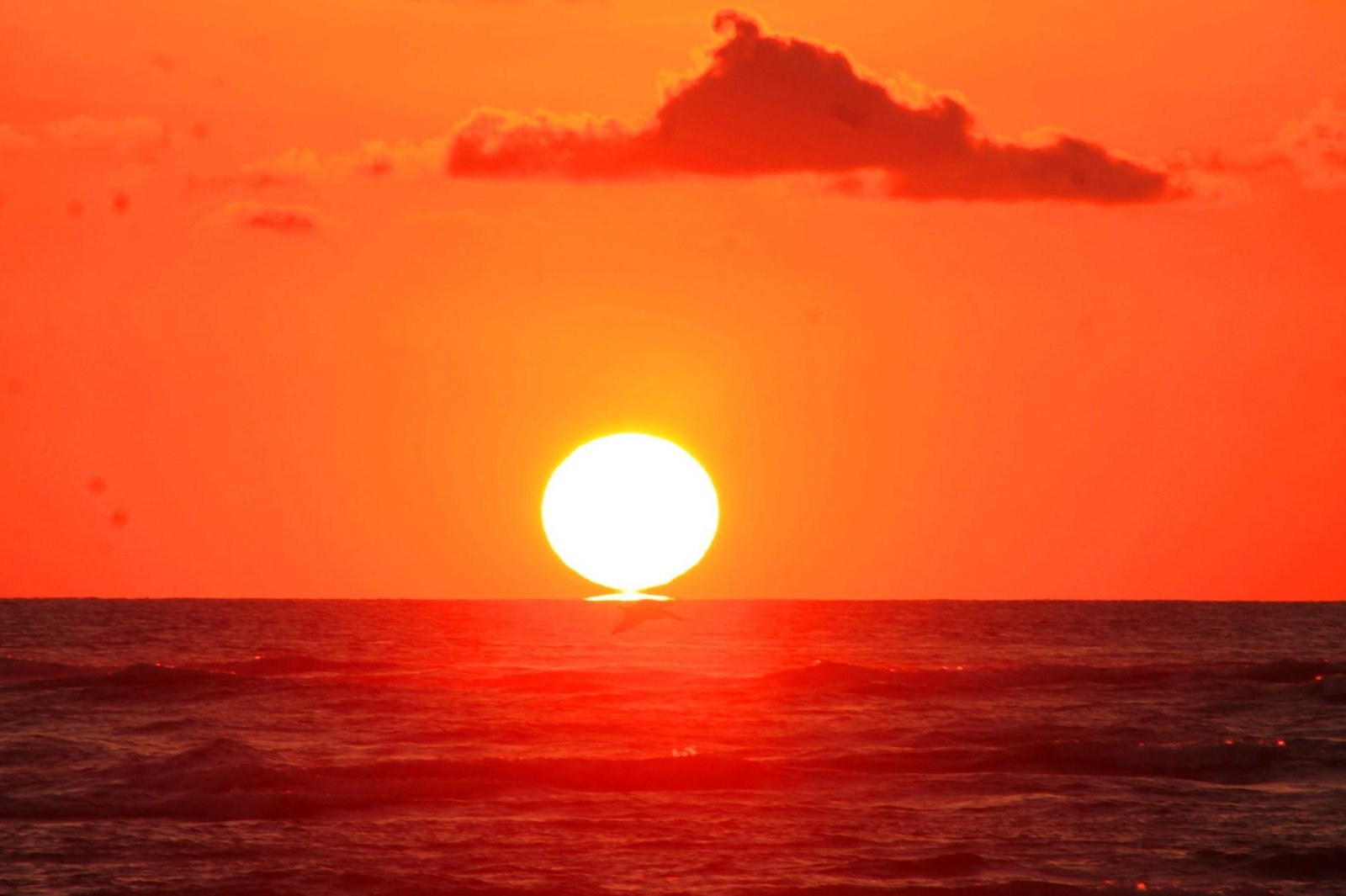
- 🌈 Cloud Iridescence: Thin clouds near the sun can diffract light into pastel rainbow colors, especially during sunset when the sun is low.
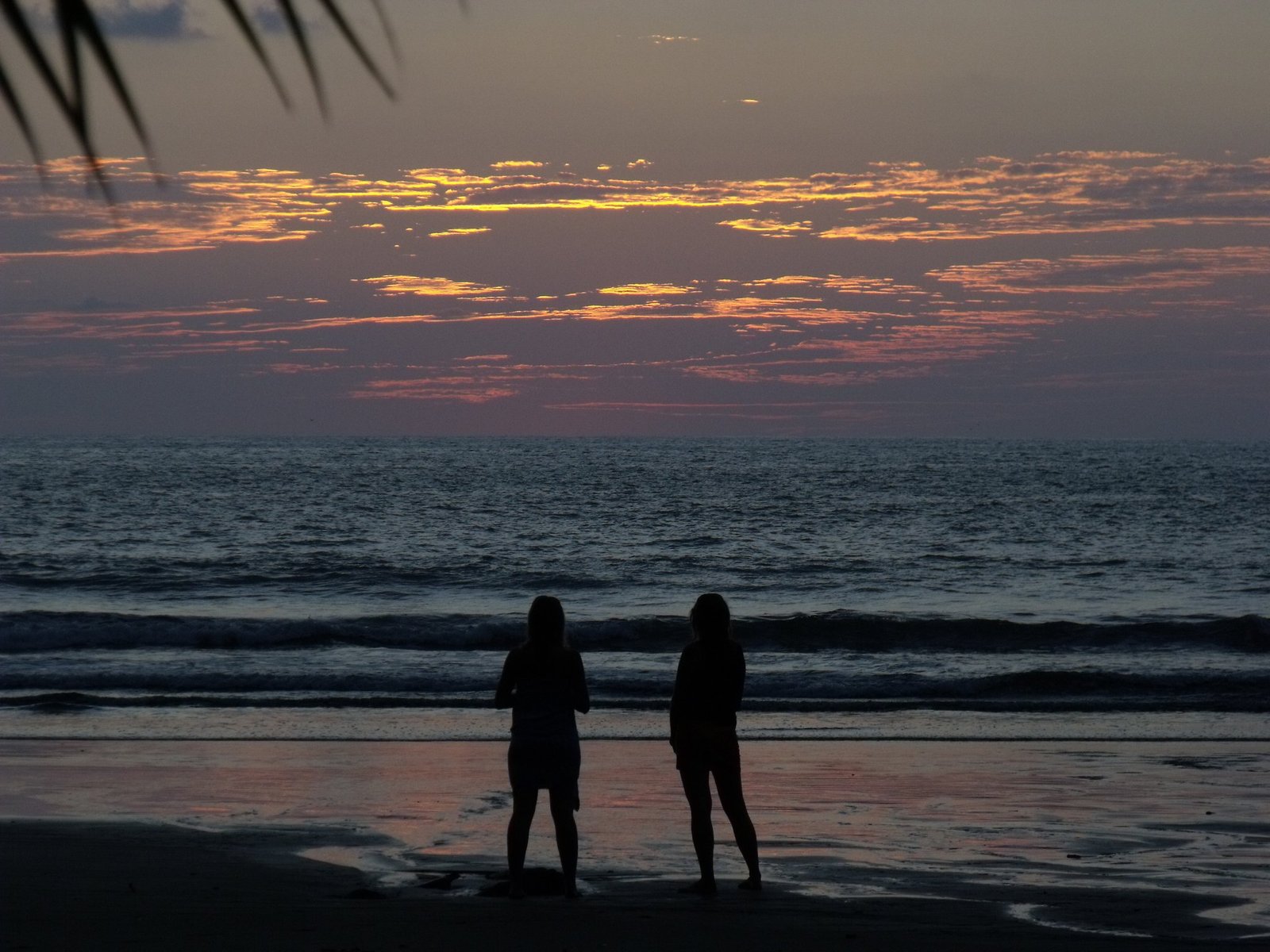
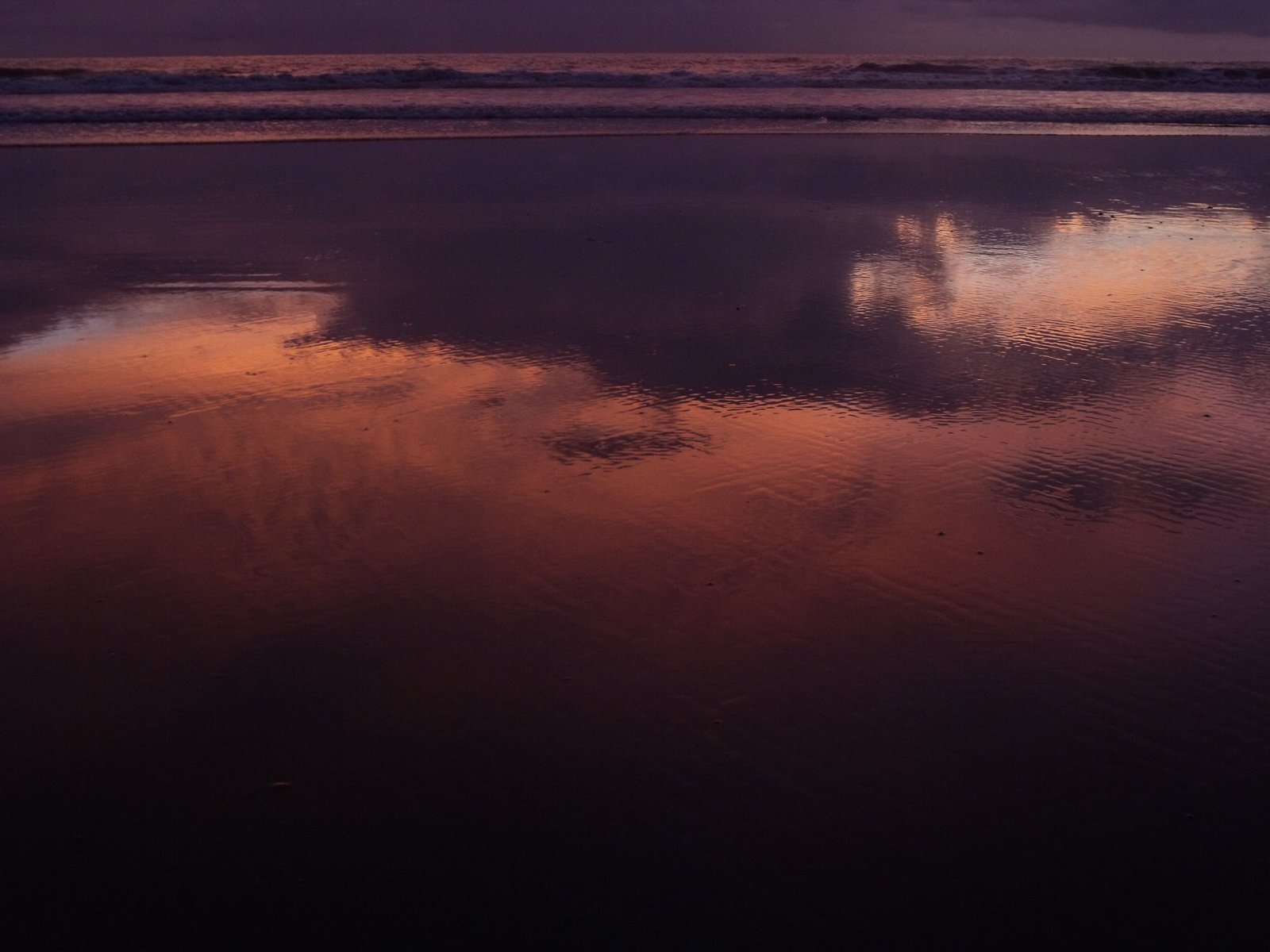
- 🌊 Ocean Reflection: Calm water surfaces mirror the sky, doubling the intensity and symmetry of sunset colors.
🧠 Bonus Insight: Why Sunsets Are Redder Than Sunrises
Sunsets often appear more vivid than sunrises because:
- The atmosphere is warmer and dustier in the evening
- Human activity during the day adds particulates that enhance scattering
🌈 Final Thought
The next time you watch the sky blaze with color, remember: you’re witnessing a live physics experiment—light, matter, and motion painting the sky with science.
Imagine a country not only blessed by dark and pristine skies, but also drenched in rich natural wonders, stunning beaches, eco-tourism excursions and adrenaline-pumping activities – it is no wonder Costa Rica is making waves as an emerging Astrotourism destination. And many visitors tend to fall in love with our beautiful Costa Ballena – we invite you to browse the local properties available in our area, knowing that RE/MAX WE SELL PARADISE is your trusted partner in the South Pacific corner of Costa Rica.