ZERO SHADOW Day
Zero Shadow Day, also called Lāhainā Noon, is a fleeting astronomical event. It occurs when the sun is directly overhead for a brief minute or two. During this moment, vertical objects cast no shadow at all. The effect is brief but visually mesmerizing! The phenomenon happens only in tropical regions, meaning areas that lie between the Tropic of Cancer and the Tropic of Capricorn. Outside this zone, the sun never reaches a perfectly overhead position. It bestows a unique experience for observers in the tropics – us!
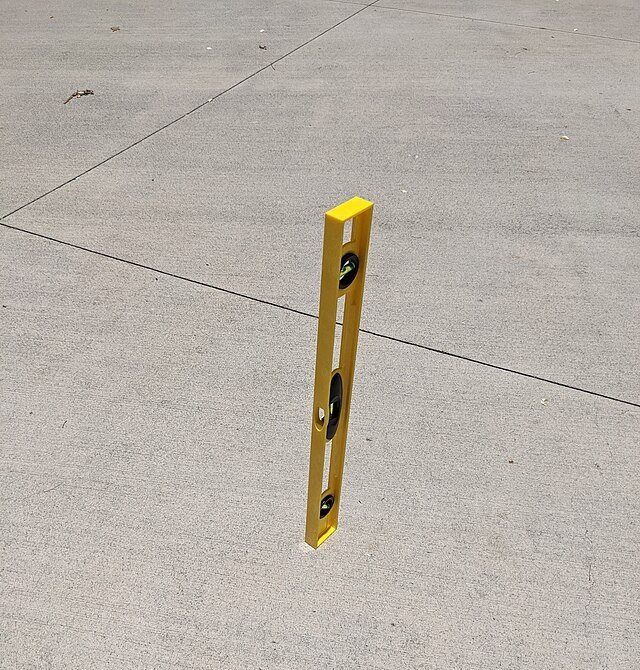
At this special moment, sunlight hits the Earth perpendicularly, and shadows shrink until they vanish completely for a brief period. This fleeting instant usually only lasts 1 to 2 minutes.
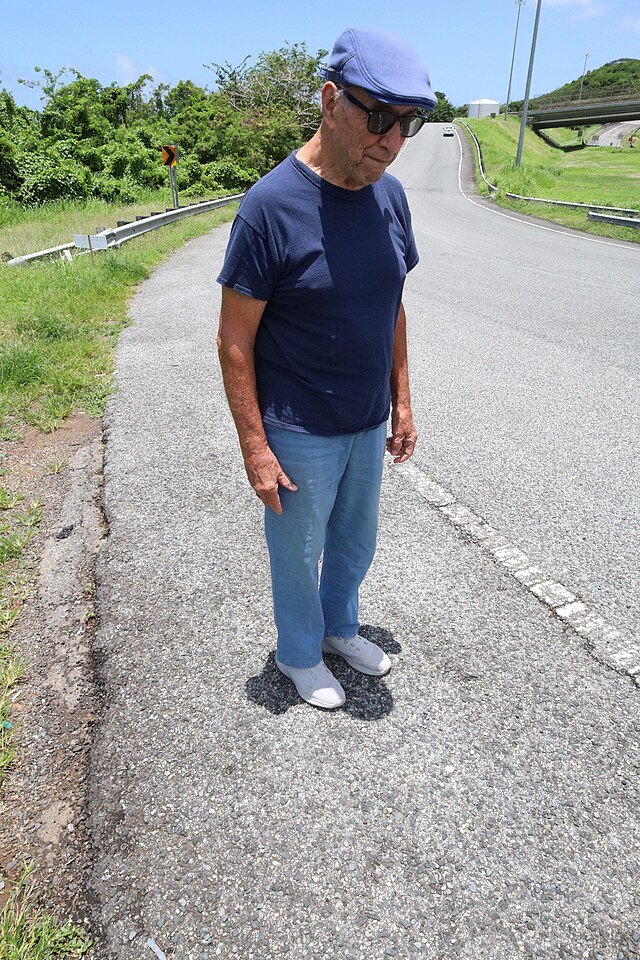
Of course shadows don’t actually vanish – they simply exist right under the objects casting them.
🌍 Where and When Does Zero Shadow Day Occur?
Zero Shadow Day occurs twice a year for every location within the tropical belt. The Tropical Belt is the limit of the sun’s annual travels. An exception are the general latitudes of the Tropical Belt that define the boundaries – the Tropics of Cancer and Capricorn. There, the phenomenon only happens once per year.
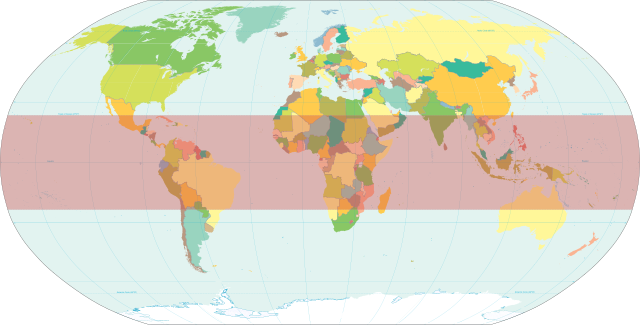
The exact dates vary depending on the latitude of the location within the belt. Since Ojochal lies between the Tropic of Cancer and the Equator, it experiences two Zero Shadow Days each year. One when the sun passes right overhead on its way to north, and then again as it heads south back towards the equator. Mark your calendars for these exciting dates:
- April 15 2026 at 11:41 AM
- August 26 2026 at 11:43 AM
As seen below, the sun does not always hit the PERFECT 90 degrees because it may move thru that area when it is on the other side of the earth – when Costa Rica is experiencing night. But at 89.9 degrees, close enough! To access the data presented below, click here – the dates are given for the town of Uvita as Ojochal data is not available.
The APRIL 2026 Zero Shadow Day schedule:
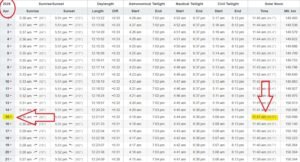
The AUGUST 2026 Zero Shadow Day schedule:
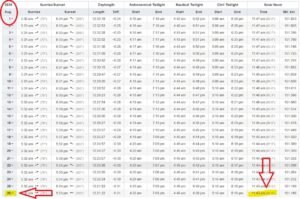
It is VITAL to also note the time of the day that is highlighted – 11:41 AM in April and 11:43 AM in August. To get the FULL effect of the overhead sun, you must be there around the exact time, give and take 1-2 minutes. Don’t be late!!!
🧠 The Science Behind Zero Shadow Day
The Earth’s axial tilt of 23.5° and its orbit around the sun cause the sun’s apparent position to change daily. When the sun’s declination matches a location’s latitude, it appears directly overhead at noon—this is called the sub-solar point.
On Zero Shadow Day:
- The sun is at its zenith. Zenith is the point in the sky directly above you.
- Shadows fall directly beneath objects.
- Vertical shadows become invisible to the observer.
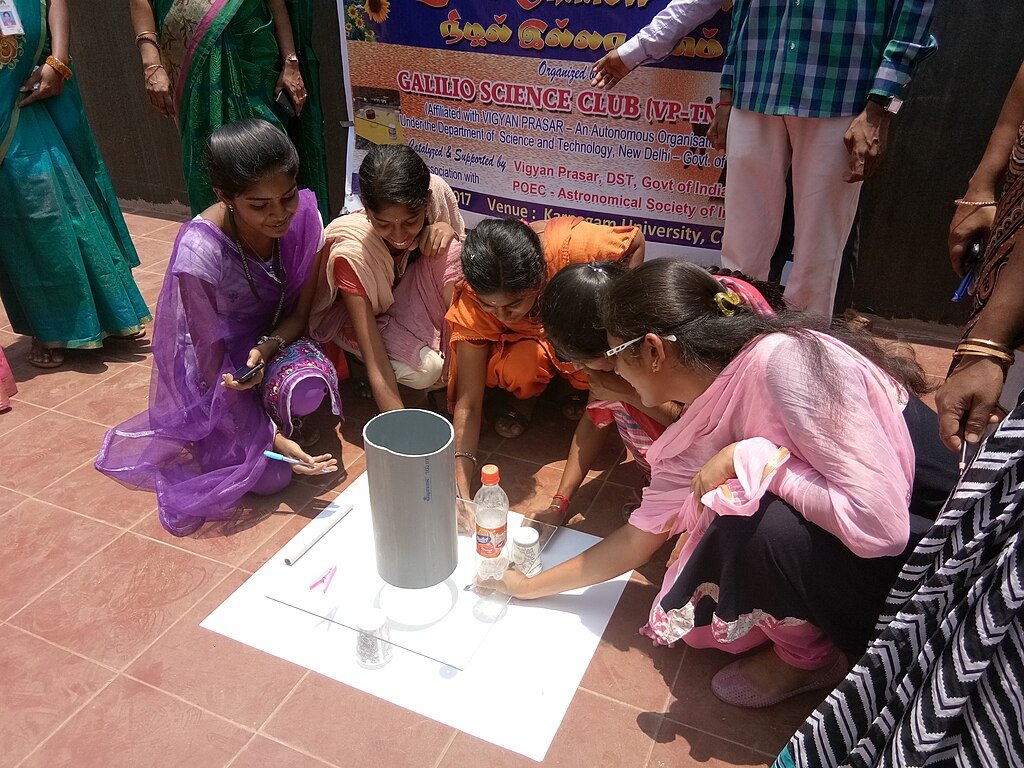
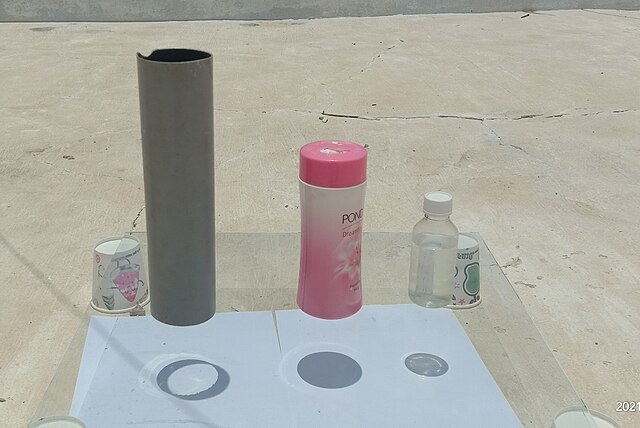
A Zero Shadow Day experiment, below, brilliantly illustrates the above. It shows vertical shadows directly underneath objects. If the objects were placed on the ground versus an elevated glass panel, they would not be casting any perceivable shadows.
To find the Zero Shadow Days for your location, use the graphic below. Find your location on the map. Then move across to where its latitude intersects the red line that shows the sun’s declination. Then move up to read the dates. In the example, Honolulu’s dates are shown as May 24 and July 18.
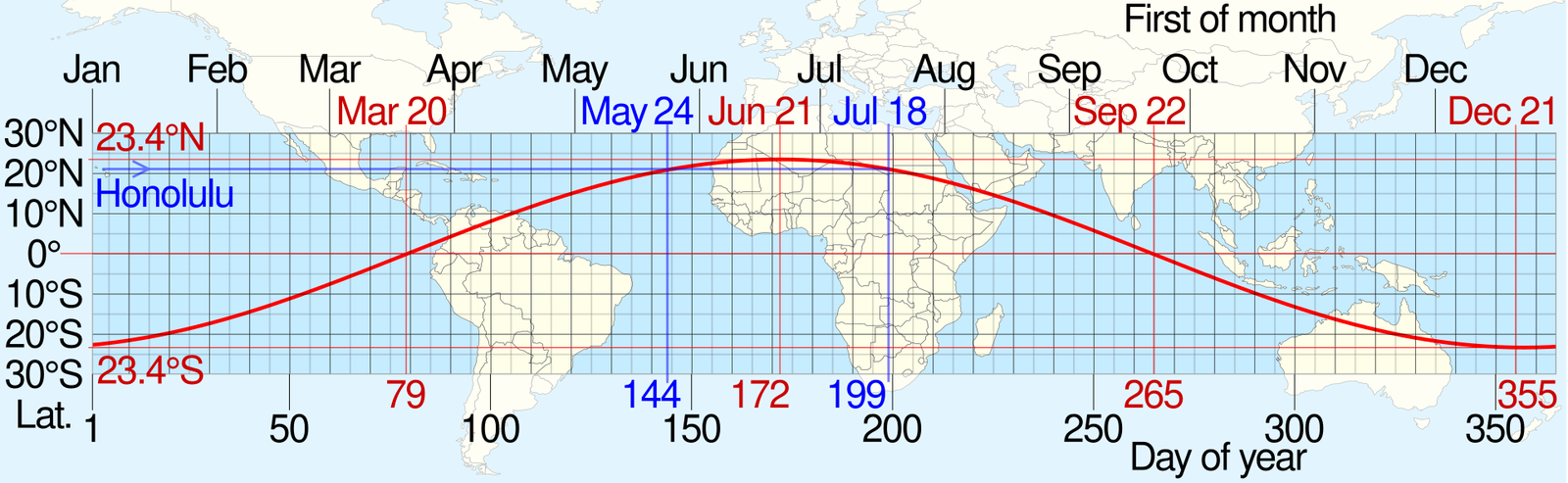
Also marked on the map are the solstices and equinoxes, in red. As you can see, on June 21 the sun reaches it northern limit, marking the summer solstice for the northern hemisphere and winter solstice for the southern hemisphere. On December 21, the opposite happens. Around March 20 and September 22, the sun hovers directly over the equator, marking the Equinoxes.
The graphic below shows Uvita’s August 26 2026 Zero Shadow Day setup. The sun will be directly overhead at 11:43 am (solar noon). The data on the right shows its elevation of 90 degrees (rounded from 89.9 degrees s seen in the data table above).

🌞 How Did LĀHAINĀ NOON Get Its Name?
Lāhainā Noon got its evocative name through a contest held by the Bishop Museum in Hawaii during the 1990s. The winning entry, “Lāhainā Noon,” was chosen for its poetic and symbolic resonance:
- “Lāhainā” is an old Hawaiian word that translates to “cruel sun”, reflecting the intense heat and brightness of the midday sun when it’s directly overhead.
- The term also nods to Lāhainā, a historic town on Maui known for its dry climate and cultural significance.
- The phenomenon itself—when the sun is perfectly overhead and objects cast no shadow—is unique to tropical regions. Hawaii, being the only U.S. state in the tropics, experiences this twice a year.
- Traditionally, Hawaiians referred to this moment as “kau ka lā i ka lolo”, meaning “the sun rests on the brains,” a vivid metaphor for the zenith sun’s position.
Because the term Lāhainā Noon’ ‘is recent, location-specific and holds no historical significance, it is not be used in the article beyond an early mention.
🌞 Sky Gate by Isamu Noguchi (Honolulu, Hawaii)
The Sky Gate sculpture in Honolulu is a striking public artwork created by renowned Japanese-American artist Isamu Noguchi. Gracing Honolulu Hale since 1977, this 24-foot-high ring-shaped sculpture is crafted from industrial pipe and interacts with the sun’s movement throughout the year. Its most captivating feature occurs during Lāhainā Noon when the sun passes directly overhead—causing the sculpture to cast a perfectly circular shadow on the ground. At all other times the shadow is jagged and irregular.
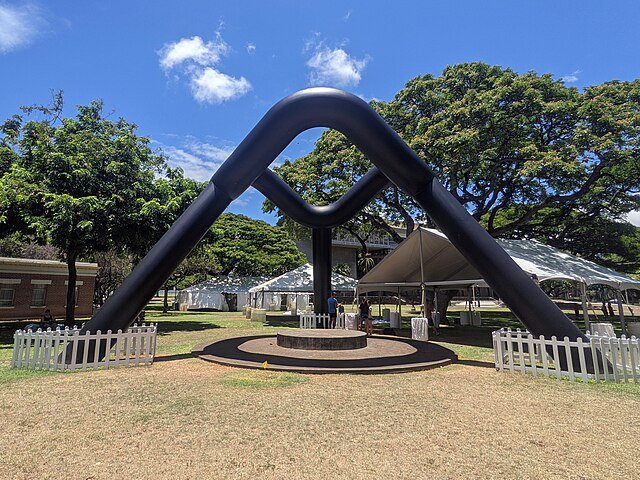
This celestial alignment happens twice annually in Honolulu, around late May and mid-July. Noguchi’s minimalist design blends art, astronomy, and urban space, making Sky Gate a must-see landmark for visitors interested in sculpture, science, and Hawaiian culture.
Do you dream of living in the midst of breathtaking TROPICS? At RE/MAX WE SELL PARADISE, we list hundreds of tropical properties – homes, land, farms, estates & businesses – all within a stone’s throw of the amazing rainforests, mountains, beaches and resident exotic animals that make Costa Ballena a world-famous destination. Start your journey to Paradise by browsing our property listings here.