
Our LOUD Three-Wattled Bellbird
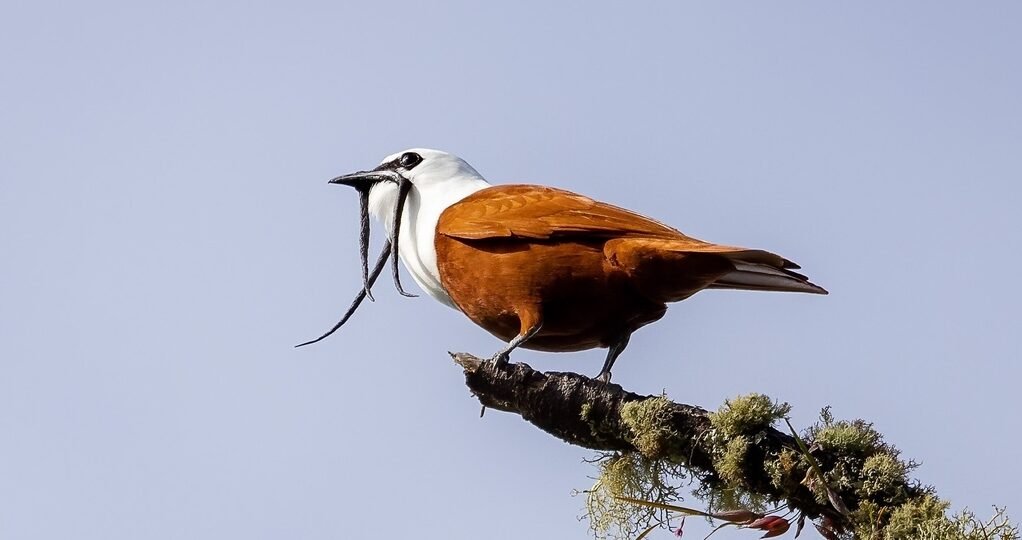
The Three-Wattled Bellbird: Costa Rica’s Thunderous Songbird
The Three-Wattled Bellbird (Procnias tricarunculatus) is one of Costa Rica’s most iconic and bizarre birds. Known for its explosive call (one of the loudest in the world) and dangling facial wattles, this species captivates birders, ecologists, and travelers alike. Though elusive, its voice echoes through the lowlands & cloud forests with unmistakable force.
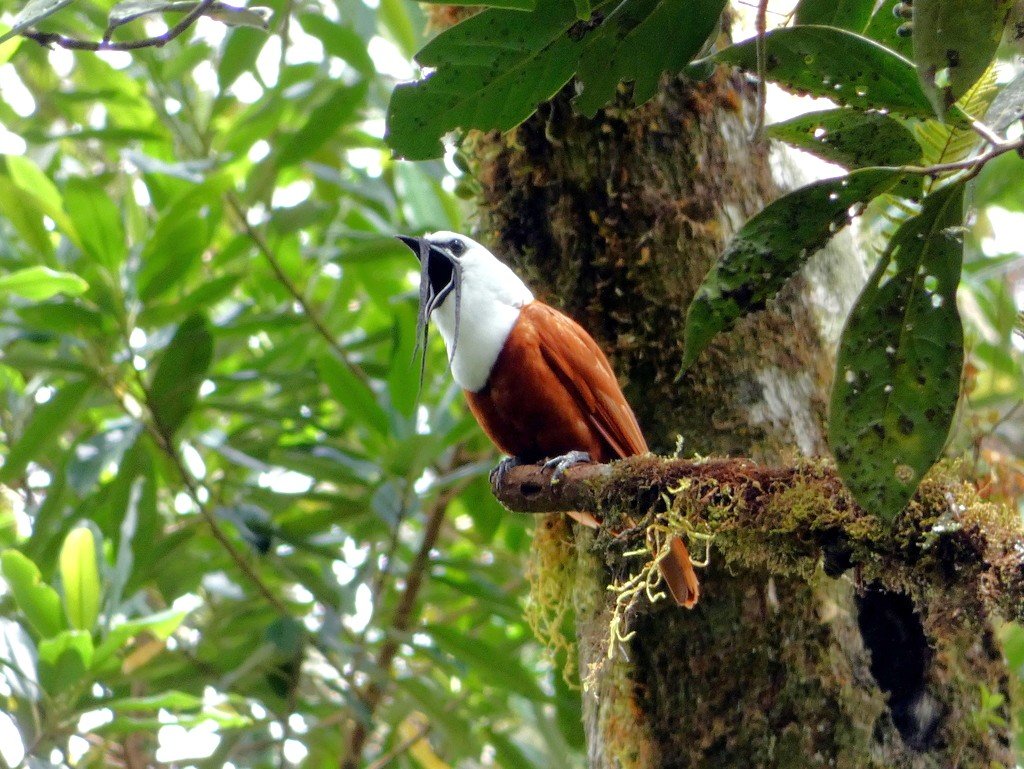
🐦 Introducing The Three-Wattled Bellbird
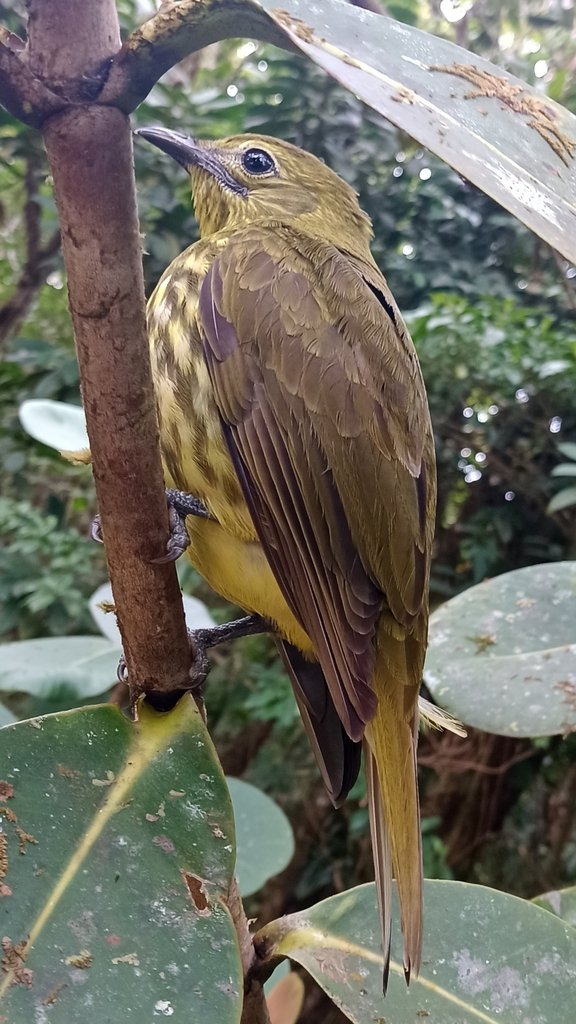
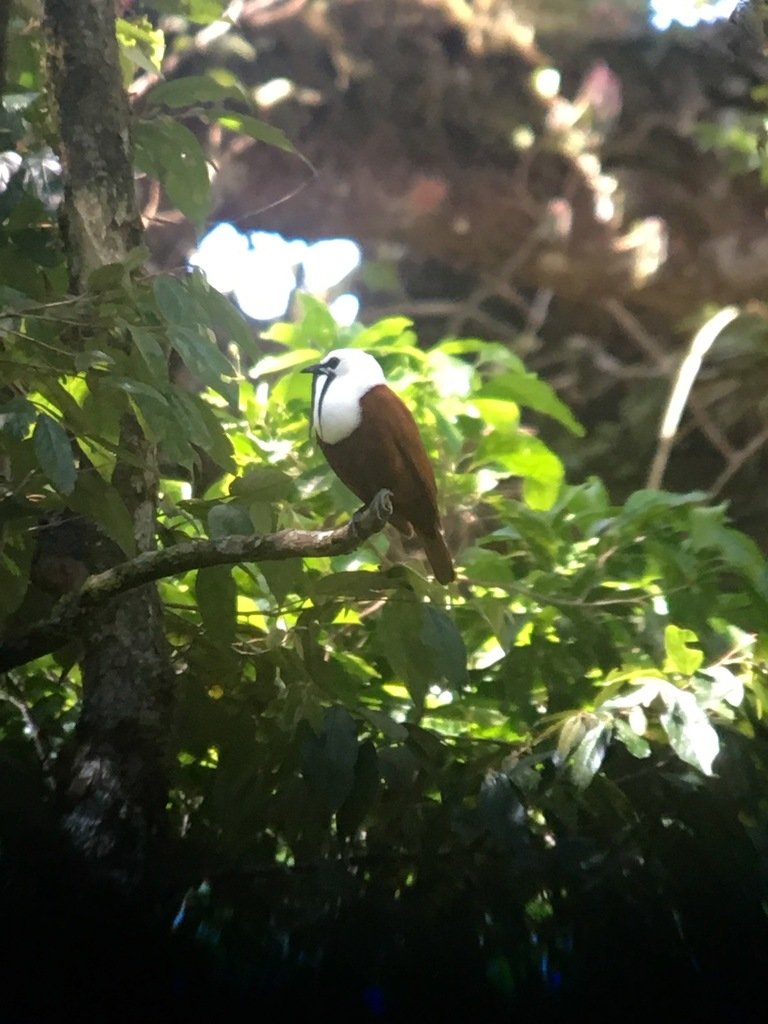
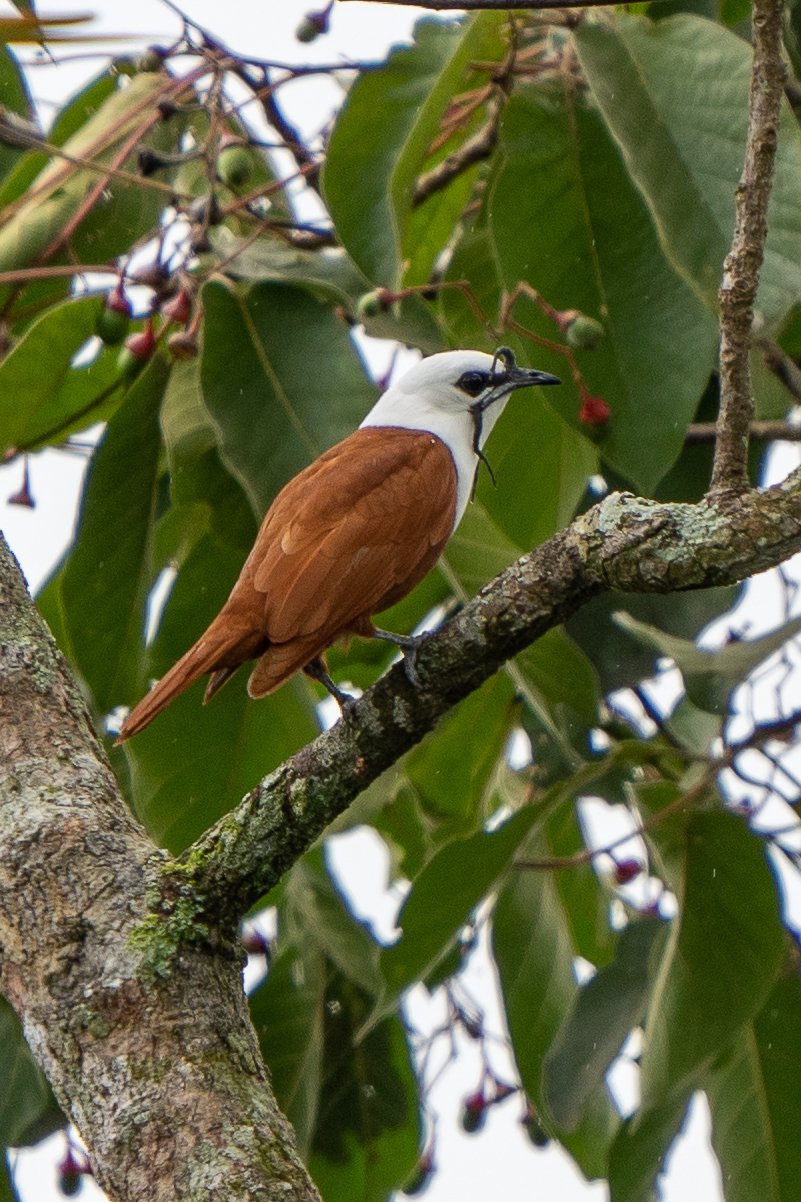
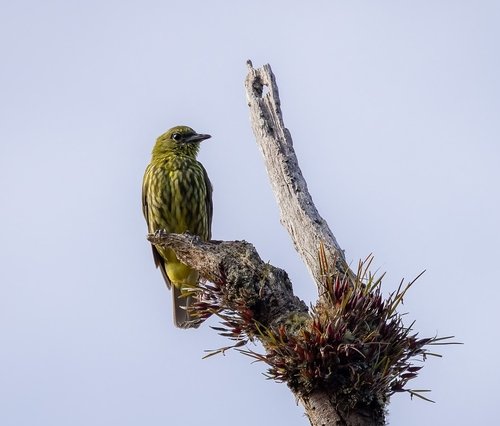
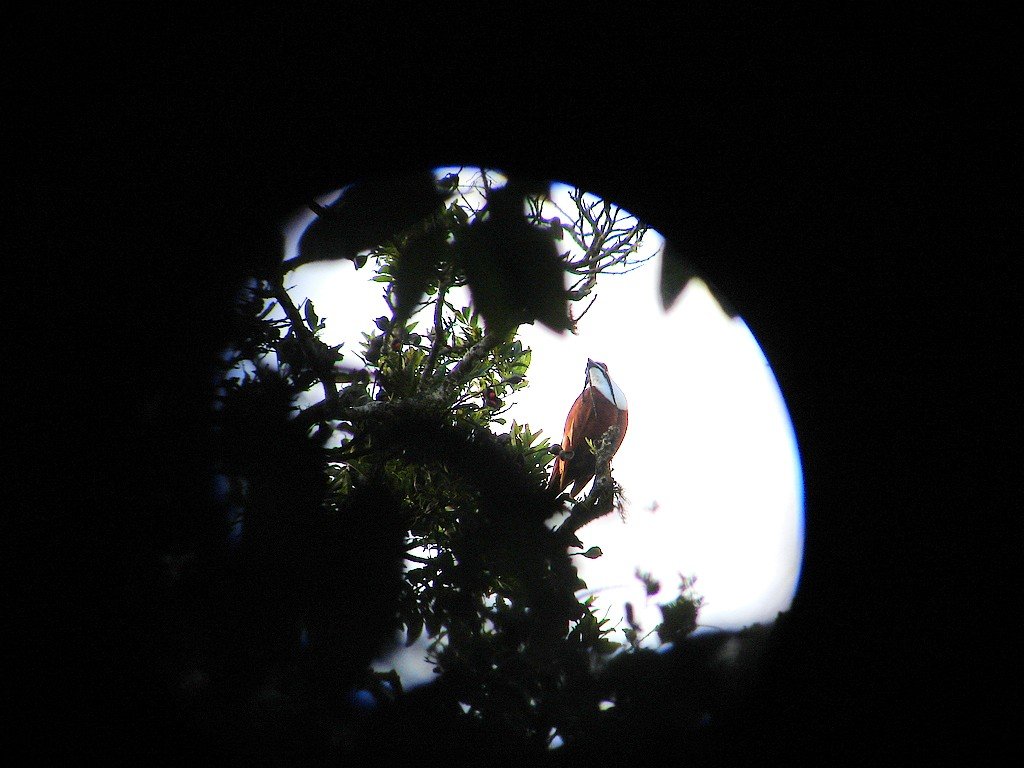
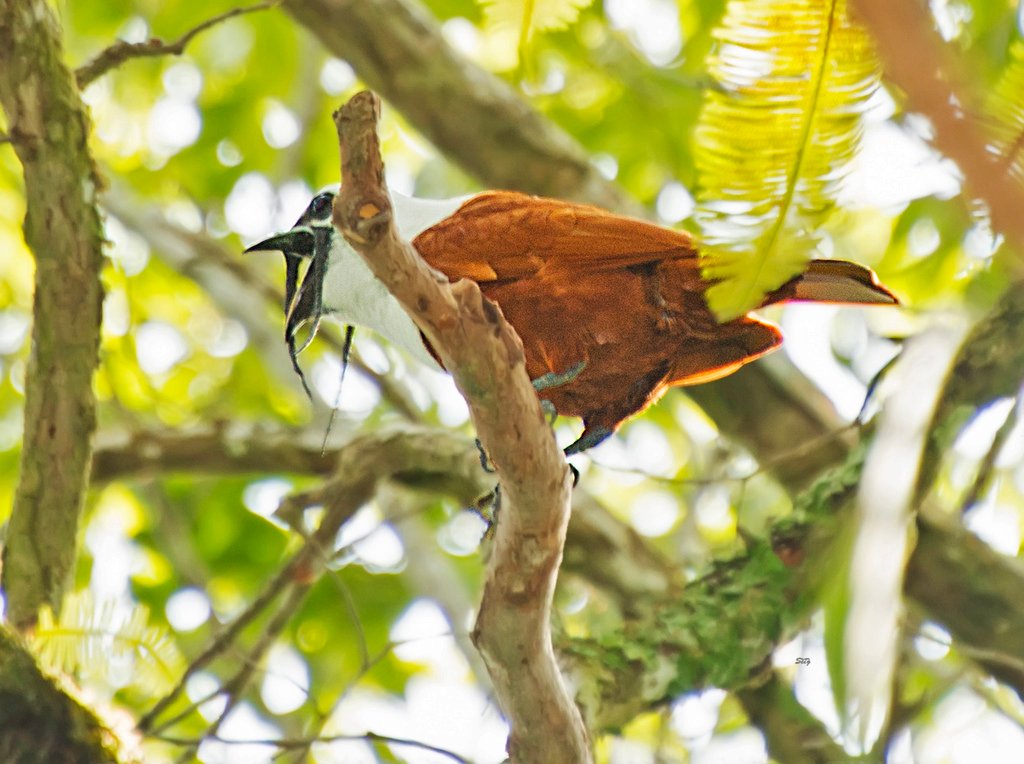
This bird belongs to the cotinga family, a group of tropical songbirds known for their strange plumage and vocalizations. The male three-wattled bellbird has a striking white head and chest, rich chestnut-brown back and wings, and three long, black, worm-like wattles dangling from the base of its beak. Females look entirely different—olive-green with streaks and no wattles—making the species one of Costa Rica’s most sexually dimorphic birds.
🐔 What Are Wattles?
Wattles are fleshy skin appendages that hang from a bird’s throat or face—most commonly seen in species like turkeys and chickens. These distinctive features serve multiple purposes: they help regulate body temperature, play a role in mating displays, and signal health or dominance within a flock.
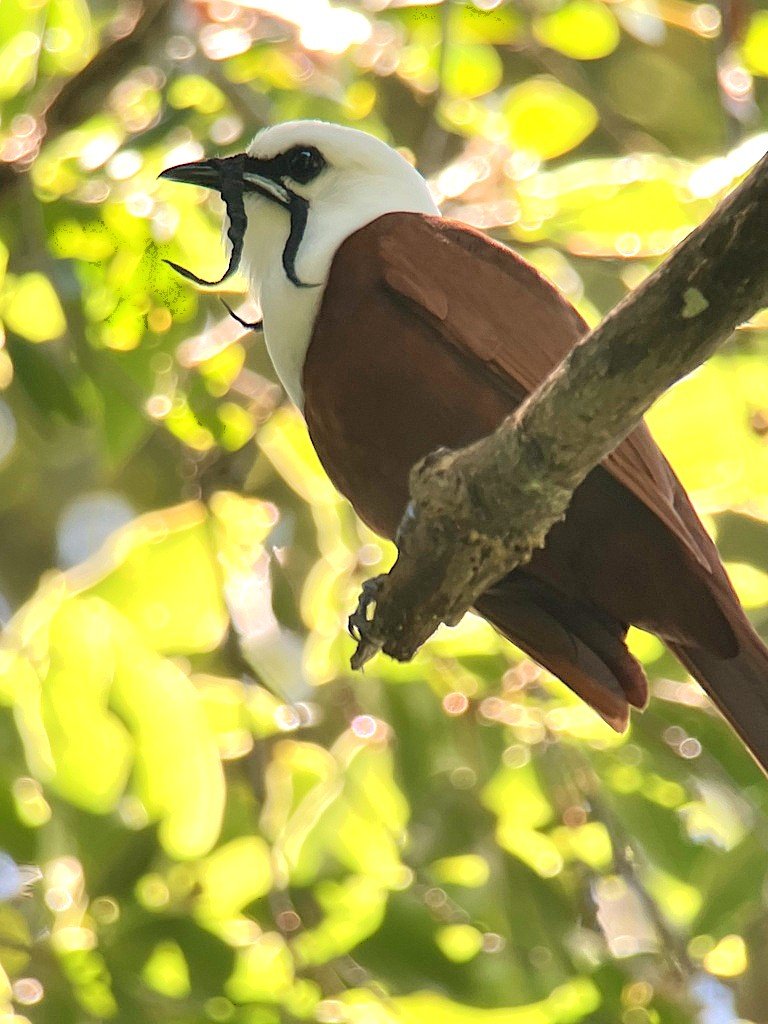
Male Three-Wattled Bellbirds grow three long, black, worm-like wattles from the base of their beak, which can reach up to 10 cm in length. These soft, dangling appendages are not under muscular control and remain flaccid even when extended. Males shake them during vocal displays, likely to enhance their dramatic bell-like calls and attract mates. While it’s clear the wattles play a role in sexual signaling, scientists have yet to determine their precise evolutionary advantage in the Bellbirds.
🔊 The Loudest Call in the Forest!
The call of the Three-Wattled Bellbird is one of the loudest and most distinctive avian vocalizations in Central America. Males produce a sharp, metallic “BONK!” or bell-like note that can be heard over a kilometer away, often likened to a hammer striking an anvil. This explosive sound is not melodic but serves a powerful purpose: attracting mates and asserting territory during the breeding season.
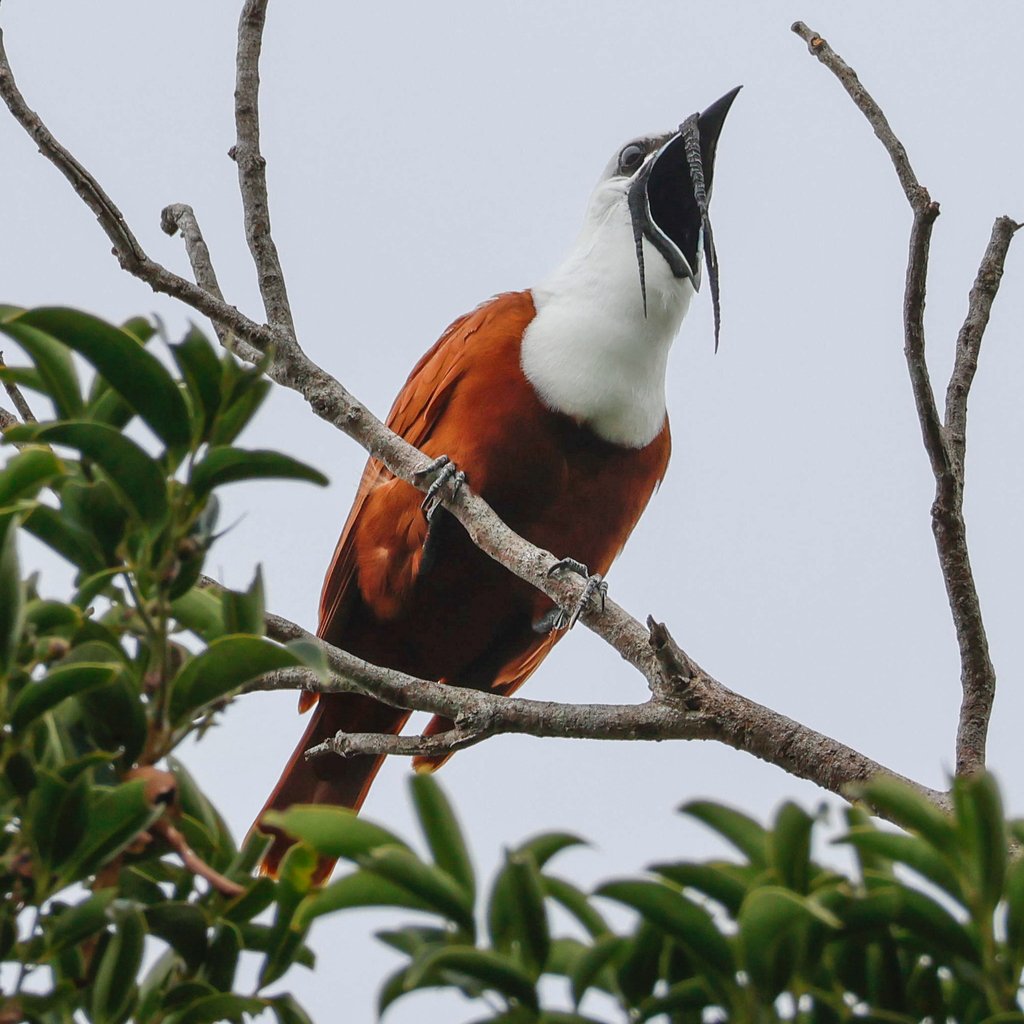
Males perch on high, exposed branches in cloud forests to project their calls across the canopy, sometimes shaking their long black wattles for added visual drama. Each male may have several call types, and their volume and clarity make them a standout presence in the forest soundscape.
To hear the call, click here.
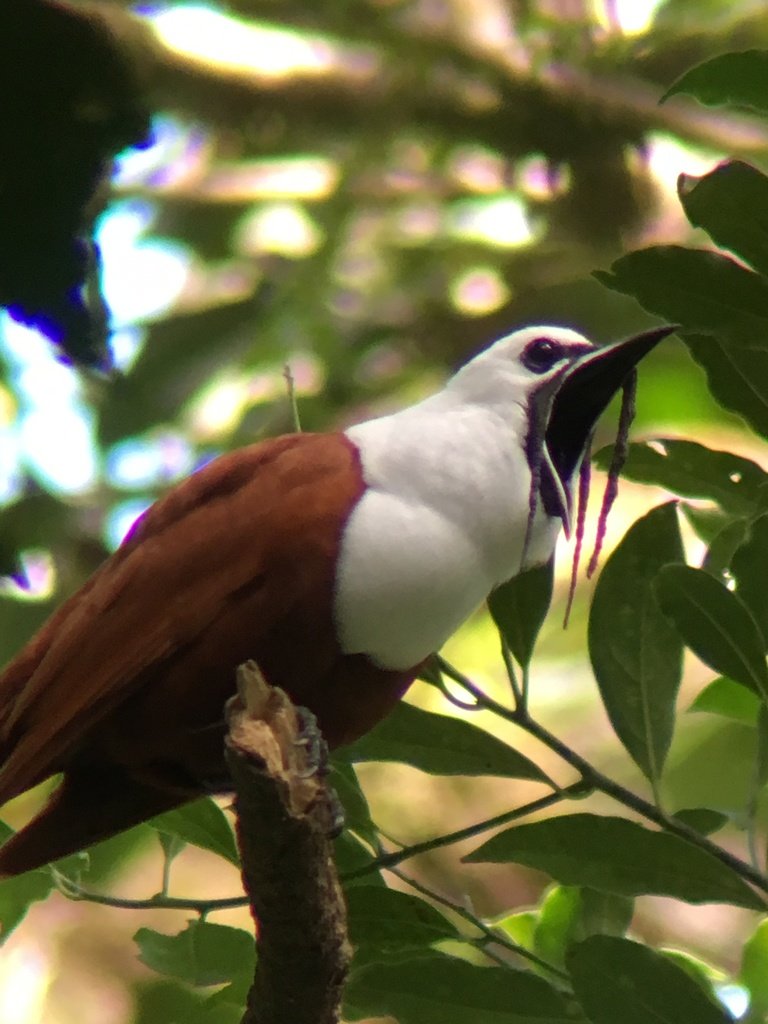
At close range, the vocalization of Bellbirds in Costa Rica is heard as a complex three-part song, the “bonk” giving the bird its name. This hollow, wooden “bonk” is thought to be among the loudest bird calls on Earth. The song is different in Nicaragua and also in Panama – those songs also include an extremely loud, but less bell-like, note. The song may also be a short “Heee-Ahhh.” In some instances, it has been described as sounding like microphone feedback. The loudest bird on earth, White Bellbird, is a cousin of the Three-Wattled Bellbird that lives in the Amazon.
🐥 Mating
The Bellbird has its own unique mating ritual. The male birds sneak up behind the females perching on a high branches. As the male quietly approaches the female, he opens his mouth a full 180 degrees to make his distinctive “bonk” sound in her ear, knocking the female off of her branch. They repeat this sequence, and after the courtship is over, the female departs to build the nest and raise the chicks alone.

🌳 Habitat and Migration
Three-Wattled Bellbirds breed in Costa Rica’s highland cloud forests, especially in Monteverde and the Talamanca range, as well as similar habitats in Panama, Nicaragua and Honduras.
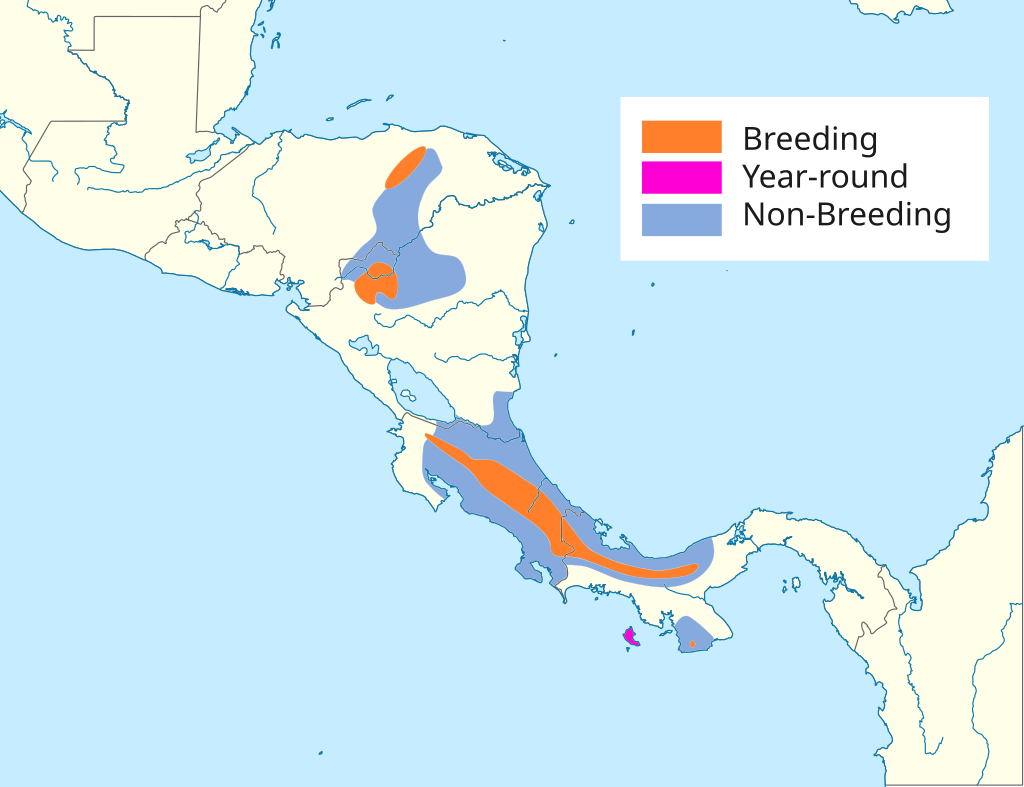
They are altitudinal migrants, meaning they move between elevations based on seasonal fruit availability. After breeding, they travel to lower forests. Their movements are unpredictable, making sightings rare and exciting.
📐 Weight & Size
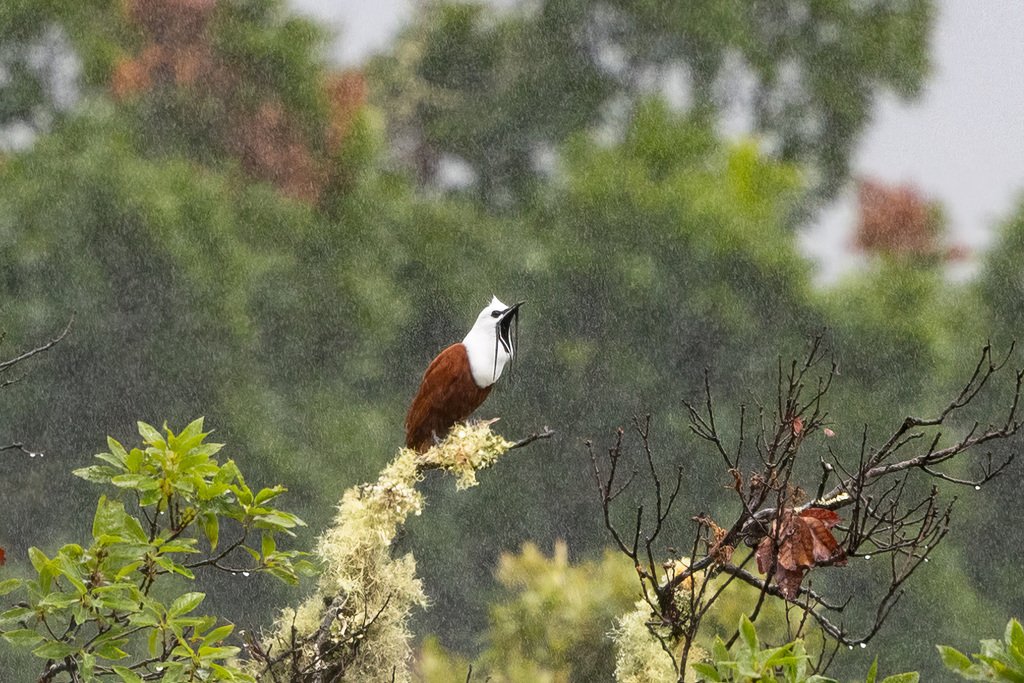
The Three-Wattled Bellbird measures between 25 and 30 cm (9.8 to 12 inches) in length – a fairly large songbird
It has a plump body, short rounded head, and sturdy build. The male’s wattles can add visual length—each one may reach up to 10 cm (3.9 inches) when extended—but they hang loosely and don’t contribute to the bird’s actual body size. Females are slightly smaller and more streamlined, with olive and yellow plumage that helps them blend into the forest canopy.
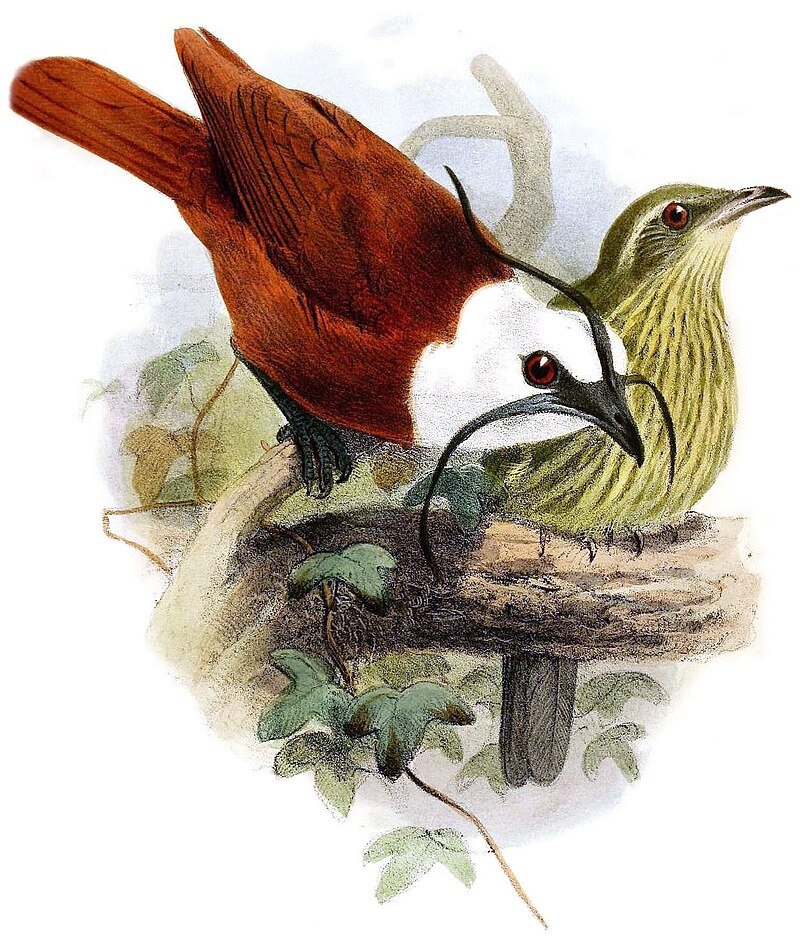
Adult male Three-Wattled Bellbirds weigh around 220 grams, while females average about 145 grams.
🥭 Diet and Ecological Role
Bellbirds feed primarily on wild avocados and other large fruits. They swallow the fruit whole and later excrete the seeds, helping regenerate the forest. This makes them vital seed dispersers in Costa Rica’s montane ecosystems. Without bellbirds, many native tree species would struggle to reproduce.
⚠️ Conservation Status
The Three-Wattled Bellbird is listed as Vulnerable by the IUCN. Habitat loss, deforestation, and climate change threaten its survival. Conservation groups in Costa Rica are working to protect its breeding grounds and migratory corridors. The Bellbird Biological Corridor in Monteverde is a key initiative that connects fragmented habitats and supports reforestation. The organization has planted over 250,000 trees of more than 140 species, within the corridor.
As of January 2019, only six nests had been found in Monteverde. But this number is thought to be a big underrepresentation because their nests are notoriously difficult to find. So even in Monteverde, one of the world’s most studied cloud forests, only a handful of nests have ever been documented. There are an estimated 3,600 to 14,000 mature three-wattled bellbirds left in the wild, and their population is declining.
📸 Birdwatching Tips
To spot a Three-Wattled Bellbird, visit cloud forests between March and July. Listen for the metallic “bonk” before scanning the canopy. Bring binoculars and a directional microphone. Hiring a local guide can greatly improve your chances of a sighting.
🌱 An Important Part of Our Forest Ecosystems
The bellbird is more than a curiosity—it’s a keystone species. By dispersing seeds and maintaining forest health, it supports countless other plants and animals. Its survival reflects the health of Costa Rica’s cloud forests. Protecting the bellbird means protecting biodiversity, climate resilience, and the future of tropical ecosystems.
Do you dream of living amongst the jungles, surrounded by amazing animals like our LOUD Three-Wattled Bellbirds? RE/MAX WE SELL PARADISE lists hundreds of tropical properties – homes, land, farms, estates & businesses – all within a stone’s throw of the amazing rainforests, mountains and beaches that make Costa Ballena a world-famous destination. See our wonderful & tropical property listings here. And maybe you can wake up to the clinking call of the Bellbird – sooner than you think!


