
Cotingas of Costa Rica
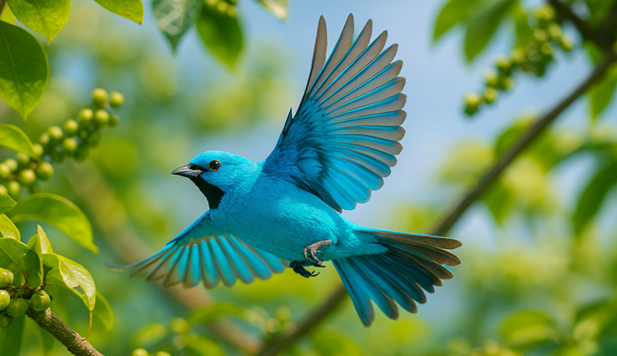
Costa Rica’s Two Dazzling Cotingas: Turquoise and Lovely
Costa Rica hosts two breathtaking members of the cotinga family: the Turquoise Cotinga and the Lovely Cotinga. These tropical songbirds dazzle with vibrant plumage and very elusive behavior.
Scientists know surprisingly little about the two Cotingas. Despite their vivid colors, both species remain elusive and understudied. Researchers have documented only one Turquoise Cotinga nest, and the Lovely Cotinga’s breeding behavior is virtually unknown. We know next to nothing about their vocalizations or lifespans. Their quiet nature and canopy-dwelling habits make them difficult to observe, but its great to have such a mystery, literally, in our backyards.
💎 Turquoise Cotinga: A Pacific Gem
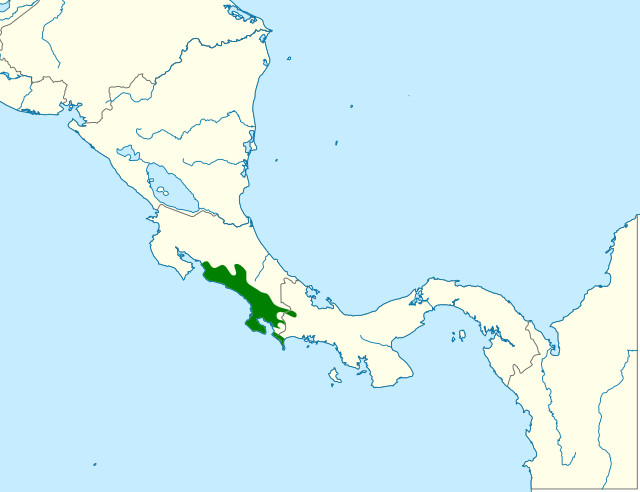
🌏 Range
The Turquoise Cotinga (Cotinga ridgwayi) lives along Costa Rica’s Pacific slope. Birders often spot it in the Osa Peninsula and Carara National Park. The bird lives only in Costa Rica and extremes of western Panama.
🐦 Plumage
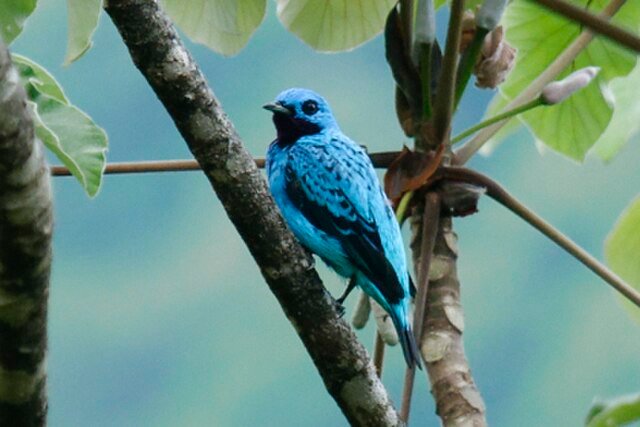
Males stun with glossy turquoise-blue feathers and a deep violet throat and belly. Females contrast sharply, showing scalloped brown plumage and pale buff underparts. This dramatic sexual dimorphism creates a visually striking species that observers often misidentify.
🌳 Habitat
This bird lives in humid evergreen forests and secondary woodlands along the Pacific slope. In Costa Rica, observers most often spot it in the Osa Peninsula, Carara National Park, and foothills near the Gulf of Nicoya. While it doesn’t migrate, it shifts locations depending on fruit availability. This species favors elevations between 900 and 1,800 meters and frequently perches high in the canopy.
🤫 So Many Secrets!
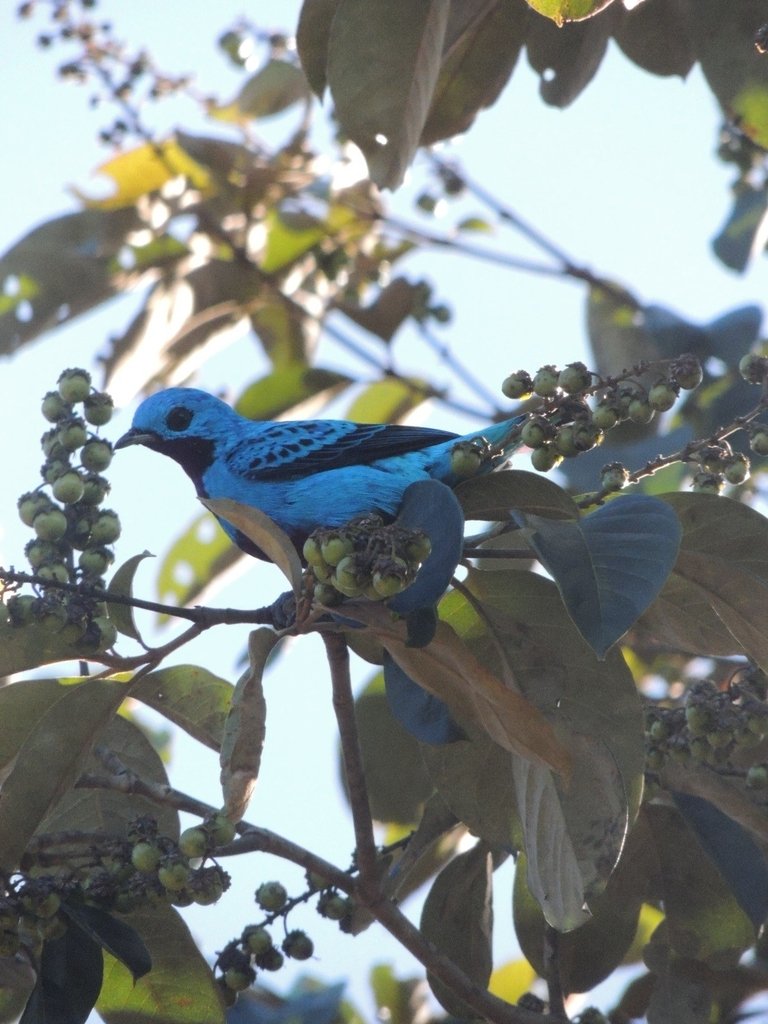
It eats only fruit, favoring wild avocados, mistletoe berries, and pokeweed. Observers have yet to fully document its foraging behavior, but the bird likely stays high in the canopy, moving quietly through the treetops. People usually spot it alone or in small flocks of fewer than six.
Researchers know very little about the Turquoise Cotinga’s breeding habits. They discovered the only documented nest in March. It held two eggs in a shallow cup built from plant fibers and strands of fungus, tucked into the fork of a horizontal branch about 9 meters (30 feet) above ground in an isolated tree. No one has confirmed the full nesting season, incubation period, fledging time, or details of parental care. The Turquoise Cotinga is usually silent, but females make “a raucous shriek” distress call. Males’ wings make a “soft twittering” sound in flight.
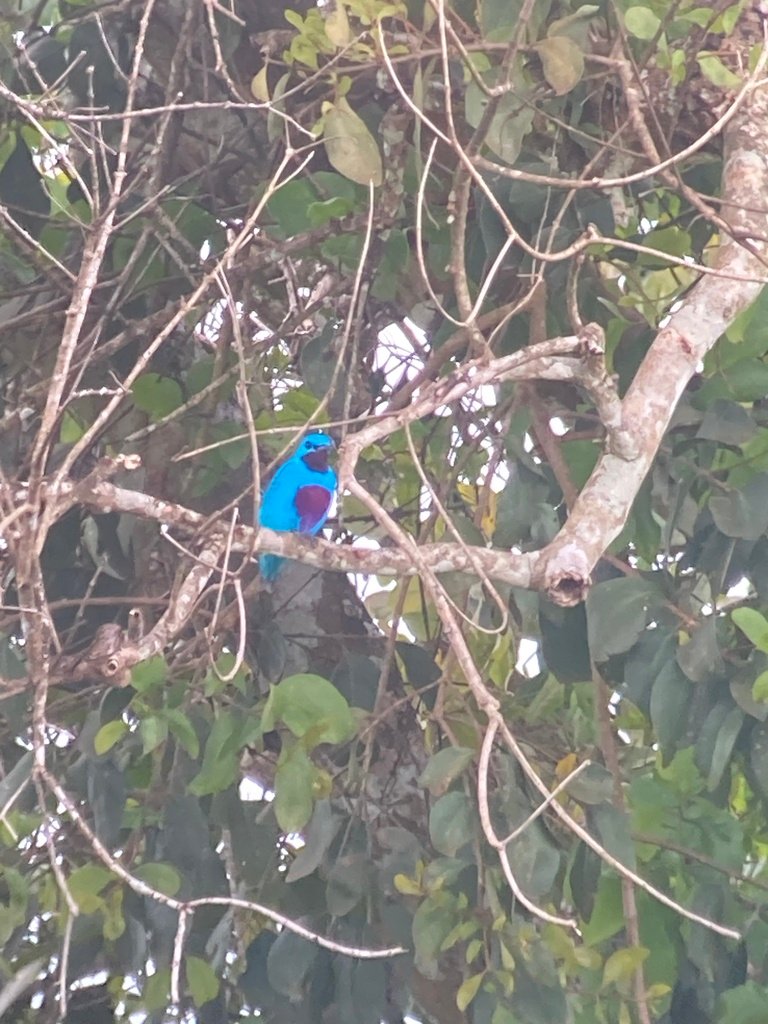
The IUCN lists the Turquoise Cotinga as Vulnerable. Scientists estimate its population at 1,250 to 2,820 mature individuals. Deforestation and habitat fragmentation threaten its survival. The species has vanished from parts of Panama, and its range keeps shrinking. Conservation teams work to protect forest corridors and monitor populations in critical habitats.
🌈 Lovely Cotinga: A Caribbean Jewel
🌏 Range
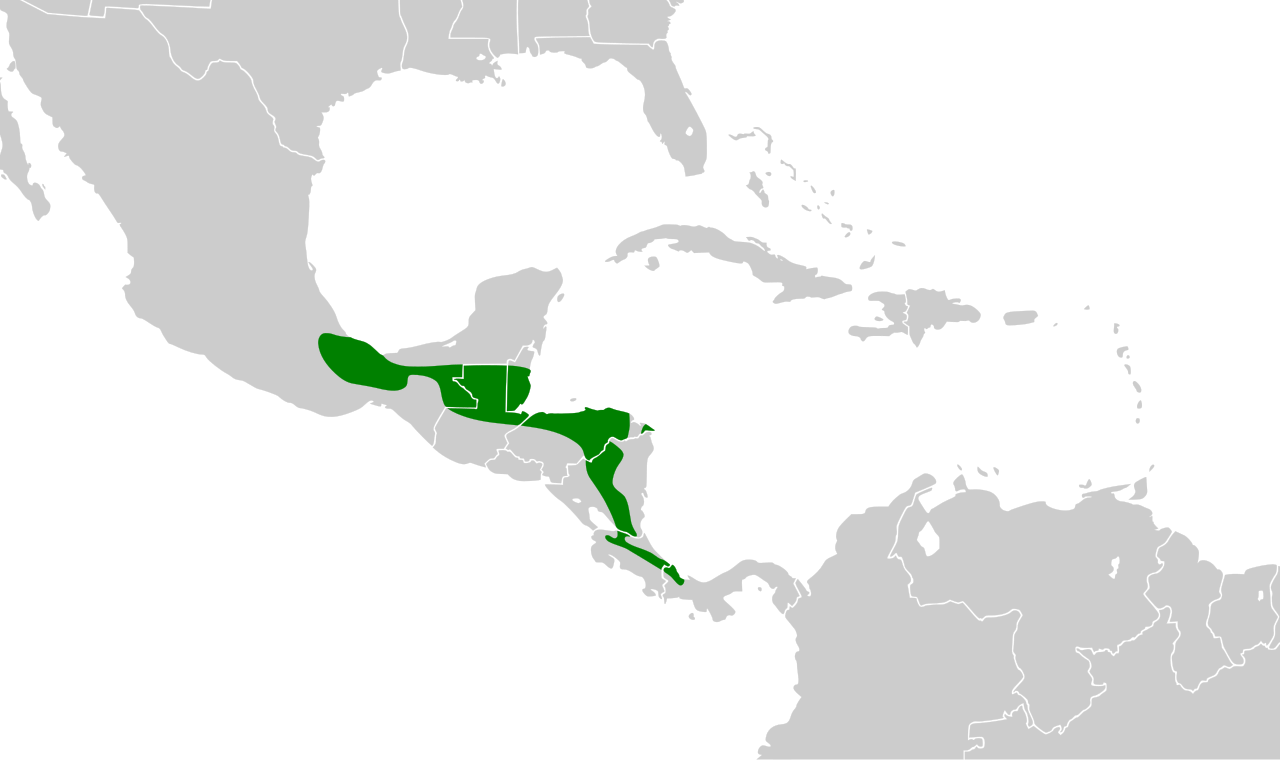
The Lovely Cotinga (Cotinga amabilis) graces the Caribbean lowlands of Central America. In Costa Rica, birders occasionally spot it in the northern lowlands, especially around La Selva Biological Station and Tortuguero National Park. Its range stretches from southern Mexico through Belize, Guatemala, Honduras, Nicaragua, and into northeastern Costa Rica.
🐦 Plumage
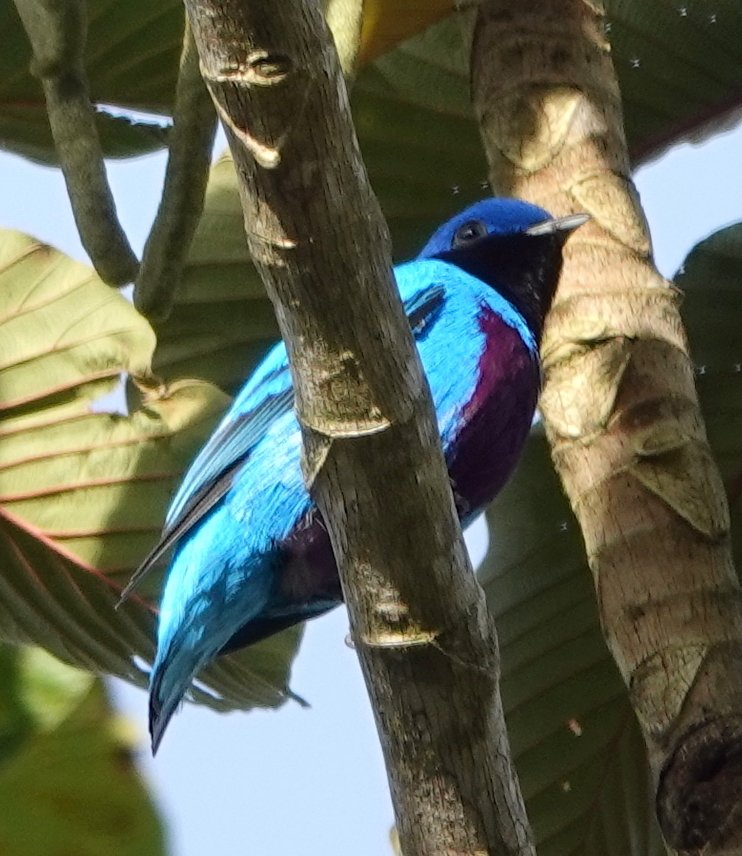
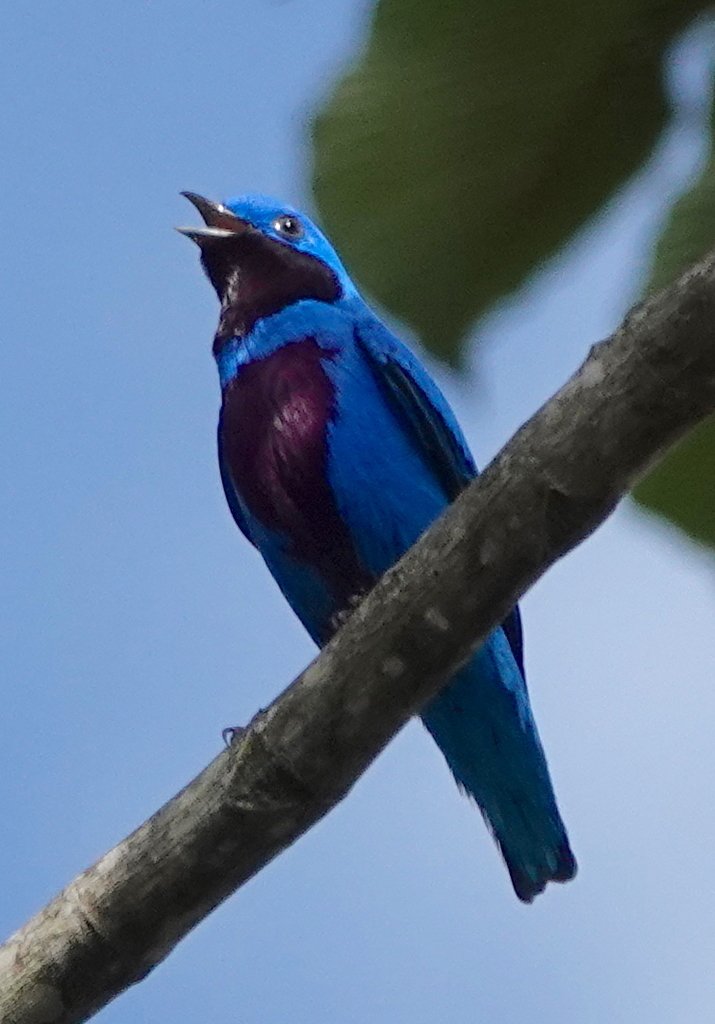
Males dazzle with shimmering turquoise-blue plumage and a soft lavender throat and belly. Females look entirely different, wearing scalloped brown feathers and pale underparts. This striking sexual dimorphism often leads to confusion with other species.
🌳 Habitat
This cotinga lives in humid lowland rainforests and forest edges along the Caribbean slope. In Costa Rica, it prefers elevations below 1,000 meters. The bird favors mature forests with abundant fruiting trees and often perches quietly in the upper canopy. Though not migratory, it may shift locations based on fruit availability. Its calm behavior and high perching habits make it difficult to detect, even in areas where it occurs.
🤫 So Many Secrets!
The Lovely Cotinga feeds almost entirely on fruit. It especially favors wild figs and other soft tropical fruits. Observers rarely witness its foraging behavior, but as the Turquoise cousin, the bird likely moves slowly and silently through the treetops. People usually see it alone or in small groups, often near fruiting trees. Despite its vivid colors, it remains one of the most elusive birds in its range.
Scientists know very little about the Lovely Cotinga’s breeding habits. No confirmed nests have been described in Costa Rica, and just two have been found elsewhere. Researchers have yet to document its nesting season, clutch size, incubation period, or parental care. Only one recording of its call exists, described as “high-pitched metallic notes”. This lack of data highlights how much remains unknown about this species.
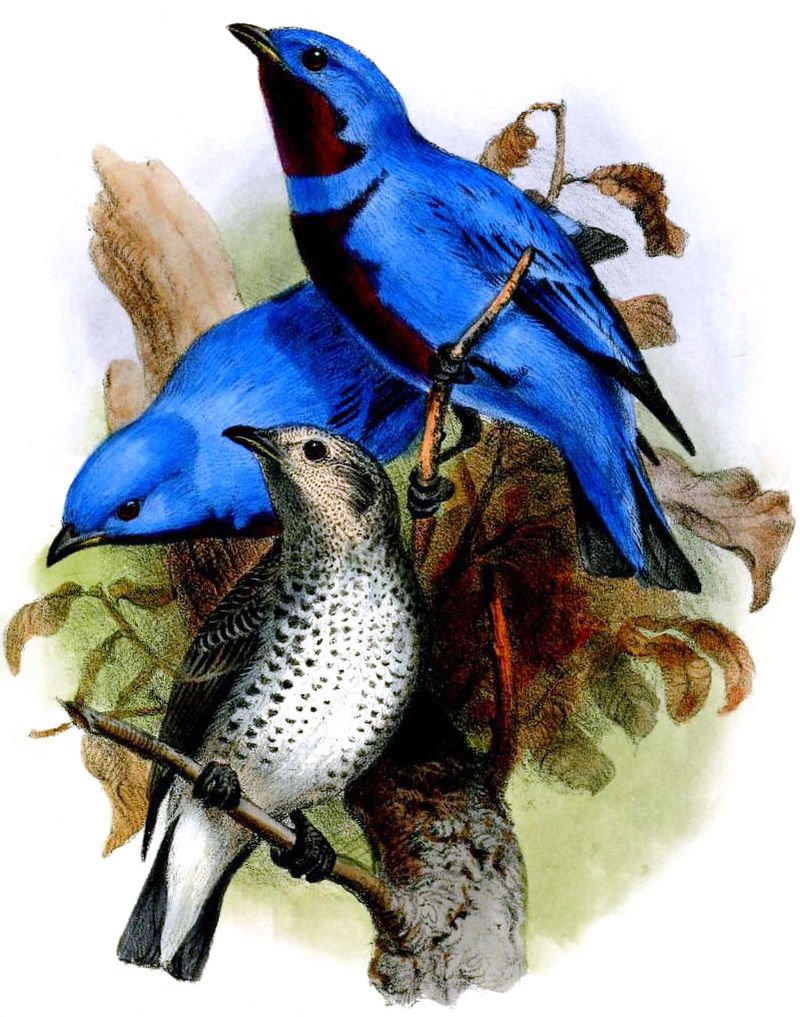
The IUCN lists the Lovely Cotinga as Least Concern, but habitat loss poses a growing threat. Deforestation and fragmentation reduce its range and food sources. Conservation efforts focus on protecting lowland rainforest corridors and monitoring populations in key areas. Preserving its habitat is essential to ensure the survival of this radiant forest jewel.
Do you dream of living in the midst of breathtaking tropical scenery and amongst amazing animals like the electric brilliant but super elusive Contigas? At RE/MAX WE SELL PARADISE, we list hundreds of tropical properties – homes, land, farms, estates & businesses – all within a stone’s throw of the amazing rainforests, mountains and beaches that make Costa Ballena a world-famous destination. See our property listings here.


